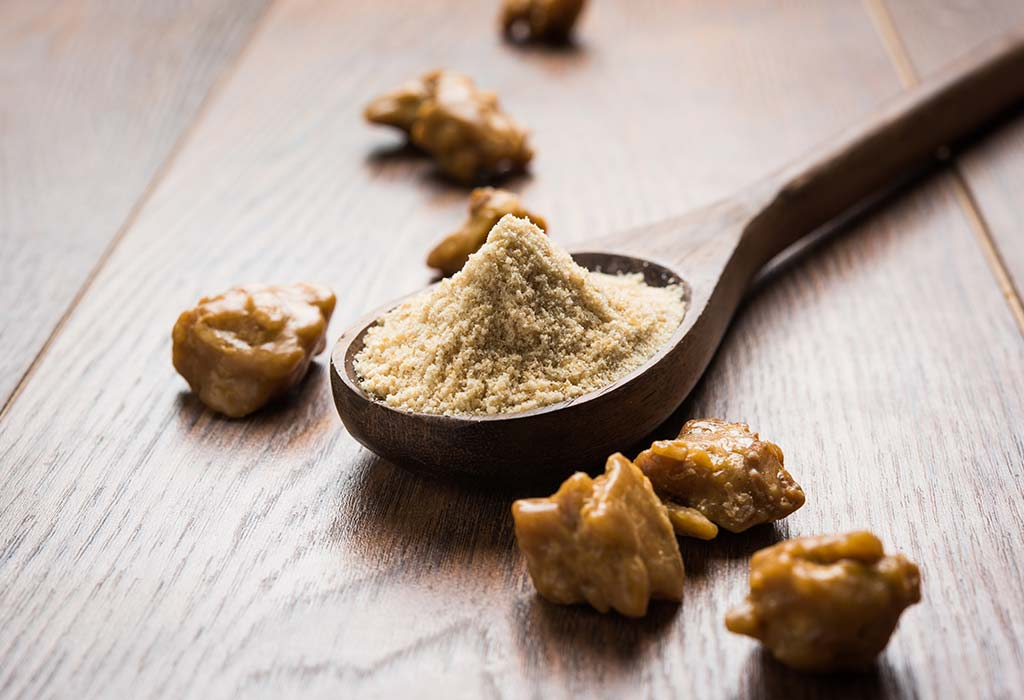
HING (Asafoetida)
Hing farming has been practiced for centuries. The hing is being cultivated and harvested from time immemorial. The first cultivation of the hing plant was started in the late 12th century.
The hing is scientifically named “Asafoetida ”. This same crop is referred to as both “Food of gods” and “devils dung”. The hing is in the form of dried latex gum, which is discharged from the herb called rhizome or ferula of several tap roots, the herb named perennial herb grows at the height of 1 to 1.5 m in length. The hing is a combination of two to three spices.

The hing is expected to be an Apiaceae (aromatic flowering species). The maximum species are framed by the local native people in the deserts of Iran and the mountain region of Afghanistan. The hing is also cultivated in places near India. The crop can also be grown in the drained out areas like deserts. This crop is expected to grow well in sandy areas and it is known to be grown by the western botanists in the Aral desert region. The hing has an aromatic smell and it is used in cooking as it conveys a smooth flavor of leek to the food.
Afganistan and Iran are the major producers of asafetida. In India, latex of Ferula narthex (not a true asafoetida) is used as a substitute for asafetida. Also available in the market is ‘ushak’, similar to asafetida but it is latex obtained from dorema ammoniacum gum (DAG). The quality of asafetida depends upon the color, pungent smell and place of origin. Color varies as different species and collection procedures are used. Commonly sold in the market are white or pale and dark or black in color. Impure asafetida is often adulterated with extraneous matter like root fragments, soils, sand, clay and other residue matter. Other adulterants include- gum arabic, cheaper kinds of gum resin from other species or different species. The quality of asafetida further depends upon cultivation, collection and processing techniques.
Since ancient ages it is commonly used as a spice to add flavor to food and as a trusted medicine for healing ailment. It is a major component in many ayurvedic and unani drug preparations.
What we normally get in shops for our daily needs is ‘compounded asafoetida”. That is it is asafoetida with some other materials added for convenient use. In Hindi it is called ‘Hing’ or said as “Heeng”.
The resin-like gum comes from the dried sap extracted from the stem and roots, and is used as a spice. The resin is greyish-white when fresh, but dries to a dark amber colour. The asafoetida resin is difficult to grate and is traditionally crushed between stones or with a hammer. Today, the most commonly available form is compounded asafoetida, a fine powder containing 30% asafoetida resin, along with rice flour or maida (white wheat flour) and gum arabic.
However when properly diluted or mixed with other absorbent materials and used in small quantities in food cooking, it gives a pleasant and stimulating aroma.
The milk of asafoetida is generally sun dried either by the farmers or by companies dealing in this product and then is mixed with other edible items like starch and gum and packaged and sold in the market.
Plant botany-

Ferula assa-foetida is a monoecious, herbaceous, perennial plant of the family Apiaceae. It grows to 2 m (6+1⁄2 ft) high, with a circular mass of 30–40 cm (12–16 in) leaves. Stem leaves have wide sheathing petioles. Flowering stems are 2.5–3 m (8–10 ft) high and 10 cm (4 in) thick and hollow, with a number of schizogenous ducts in the cortex containing the resinous gum. Flowers are pale greenish yellow produced in large compound umbels. Fruits are oval, flat, thin, reddish brown and have a milky juice. Roots are thick, massive, and pulpy. They yield a resin similar to that of the stems. All parts of the plant have the distinctive fetid smell.
Major producing countries:
Afghanistan, Iran, Turkistan. Ferula gum-resins are imported to India, mainly from Iran and Afghanistan. A part of the imported gum resin is re-exported to various countries after some processing and value addition. Ferula assafoetida is an herbaceous, monoecious, perennial plant . It grows to 2 meters high with a circular mass of 30–40 cm leaves. Stem leaves have wide sheathing petioles. Flowering stems are 2.5–3 meters high and 10 cm thick and hollow, with a number of schizogenous ducts in the cortex containing the resinous gum. Flowers are pale greenish yellow produced in large compound umbels. Fruits are oval, flat, thin, reddish brown and have a milky juice. Roots are thick, massive, and pulpy. They yield a resin similar to that of the stems. All parts of the plant have the distinctive fetid smell.
Asafoetida is dried latex (oleo-gum-resin) exuded from the living rhizome, rootstock or taproot of Ferula assafoetida or other Ferula species.
The major supply of asafoetida to India is from Afghanistan and Iran. In India it is grown in Kashmir and in some parts of Punjab. Therefore it is possible to plan cultivation of this plant not only in Kashmir but also in Himachal Pradesh, Uttaranchal, North Bengal, Sikkim, Arunachal Pradesh and other areas having identical environmental situation. India is the major consumer of this spice
Climate:
Asafoetida prefers full sun, does not grow well in the shade.
Suitable Soil:
Light (sandy), medium (loamy) and heavy (clay) soils and prefers well-drained soil. It prefers a deep fertile soil in a sunny position. It prefers dry or moist soil.
Sandy soil-

Sandy soils are light and gritty to the touch. Because sandy soils have large particles, they dry out quickly, are often low in nutrients and acidic. Both water and fertilizer have a tendency to leach out of the soil – escaping to waterways before the plant can utilize them.
Advantages of Sandy Soils:
- Warms up quickly in the spring.
Disadvantages of Sandy Soils
- Dries out quickly in the summer.
- Nutrients and water often leech away especially with rainfall.
- Often acidic.
Managing Sandy Soil-
When it comes to sandy soils, apply less water and fewer fertilizers, but more often, to produce the best results. You can also amend your soils with organic matter that will improve the soil’s ability to hold onto nutrients. To improve organic matter, incorporate compost, carbon-rich sources of fertilizers, and materials rich in soil microbes.
Loamy Soil:

Considered the most fertile of soil type, loamy soils are a combination of sandy, clay and silt particles. The clay and silt particles improve moisture retention while the sand minimizes compaction and improves drainage. Loamy soils don’t get dried out in the summer, but also don’t get water-logged in winter.
Advantages of Loamy Soils
- Drought resistant due to water-holding capacity
- Faster to warm up in the spring, compared to clay
- Can hold nutrients, making soils fertile
- Good infiltration of air and water
Disadvantages of Loamy Soils
- Depending on how your soil was formed, some loamy soils can contain stones that may affect harvesting of some crops.
Managing Your Loamy Soil
While loamy soils are ideal whether you are growing crops, flowers or turfgrass, all soils need to be managed in order to maintain or improve soil health. Adding products rich in soil microbes is key to promoting a robust soil ecosystem.
Clay Soil:

Clay soils are the heaviest of soil types and are often considered the hardest to work with. They hold onto water and often take longer to warm in the spring. Soil compaction and cracking is also a big risk of clay soils. Ultimately this doesn’t just look ugly – but it also keeps plant roots from breaking through hard layers of clay. But, unlike sandy soils, clay soils are rich with nutrients! With clay soils, nutrients are stored for much longer and have a tendency not to leech away.
Advantages of Clay Soils
- Clay soils hold onto nutrients so the plant has the food it needs
- Great for growing things that need a lot of water
Disadvantages of Clay Soils
- Holds onto water, slow to drain
- Slow to warm in the spring
- Compacts easily
- Tends to be alkaline
Managing Clay Soil-
Clay soils can be one of the toughest types to manage, but with the right management techniques, you can improve the overall quality of your soil.
When it comes to turf – aerating your soils each fall reduces soil compaction. Utilizing products that are rich in soil microbes will help your soils breakdown nutrients, and build roots that can more easily penetrate tough clay layers.
When it comes to your garden beds or agricultural crops – amend your soils with compost and products rich in soil microbes to improve organic matter. And, avoid compaction by not working on the soil when wet. Lastly, consider using a cover crop during the cool season.
Suitable pH:

Acid, neutral and basic (alkaline) soils. It cannot grow in the shade.
Distribution:
The perennial asafoetida plants has several varieties and are native to the region between the Mediterranean region to Central Asia, especially Iran and Afghanistan. The other species, known botanically as Ferula northex, grow abundantly in Kashmir, Western Tibet and Afghanistan.
Varieties:
The two most common varieties of asafoetida used in India are red and white. The white asafoetida, native to Afghanistan, is water soluble whereas the red asafoetida, found in other countries, is oil soluble. So, while India also sources from countries like Iran, Tajikistan and Uzbekistan, it is Afghanistan that is satiating India’s appetite.
Two major varieties in market are hing and hingra. Hingra is obtained fron F. foetida, while hing is obtained from F. asafetida. Hingra are considered low in quality compared to hing due to its inferior odour. There are two types of hing- Irani hing and pathani hing according to their origin. Pathani hing is comparatively superior to Irani being free from extraneous matter. Hadda is most expensive pathani hing.
Propagation:
Asafoetida can be grown from seed; direct sow outdoors in fall as soon as the ground can be worked. The species is hermaphrodite (has both male and female organs) and is pollinated by Insects. The plant is self-fertile. Plants have a long taproot and are intolerant of root disturbance. They should be planted into their final positions as soon as possible. Asafetida is a monocarpic plant, so it flowers only once and dies after flowering. In Britain, the plants usually flower after about 5 years. Seed – best sown as soon as the seed is ripe in a greenhouse in autumn. Otherwise sow in April in a greenhouse. Prick out the seedlings into individual pots as soon as they are large enough to handle. Plant them out into their permanent positions whilst still small because the plants dislike root disturbance. Allow at least 5 feet of space between plants. Sow the asafetida seeds deeply in the autumn season in small pots.
Irrigation:
Allow the soil of the asafetida to dry out completely between watering. Avoid waterlogged soil or standing water at all costs. Asafetida heartily resists drought and prefers dry-to-moist soil. Apply a layer of bracken mulch about 1 to 2 inches thick in the winter season.
Important things to remember-
Avoid transferring asafetida after it becomes a seedling. Because of their long taproots, these plants do not respond well to root disturbance.
If you wish to undertake your own Asafetida plant cultivation, you first need to obtain some viable seed. Sow seeds in fall or early spring directly into prepared beds. Germination is improved by exposure to cold, moist conditions.
Sow seeds on the surface of the soil with a lightly tamped layer of sand over them. Space seeds 2 feet apart and keep moderately moist until germination. Thereafter, water when soil is dry to the touch several inches down. Plants are generally self-sufficient after they grow several feet high but some may require staking.
In some regions, they can be self-sowing, so removing the flower heads before they go to seed may be necessary unless you want a field of this herb. Harvest as a vegetable when shoots and leaves are young and tender.
Insects, Pests and Diseases:
Although asafetida generally resists disease, it may fall victim to aphids or slugs. Treat aphids with a strong spray of water or an application of insecticidal soap or neem oil. Manage slugs via handpicking, traps or barriers.
Harvesting:
The collection of asafoetida is made in the month of March. The resin-like gum that comes from the dried sap of the plant is extracted from the stem and roots and is used as a spice. The resin is grayish-white when fresh but dries to a dark amber color. The asafoetida resin is difficult to grate and is traditionally crushed between stones or with a hammer. Asafoetida is dried latex obtained chiefly from herbaceous plant Ferula asafetida. It is also obtain from other species of ferula family. Gum resin is extracted from the rhizomes or the taproot of the female plant. Cultivation is usually done before flowering. Milky white juice oozes out from the cuts made on the rhizome of 4-5 years old plant. The white exudate is pure, fragrant and crystalline. The hardened exudates are scrapped, collected and the process is continued till the exudation stops. The exudates is further processed and commercially made available in tear, mass and paste. Tears are the purest form and are grayish or dull yellow in color. Mass and paste asafetida are commercially available but often contain extraneous matter.
The harvest period is generally in August to October. Asafoetida is extracted from the roots of the plant by carefully placing a cut on the rhizome part of the root once the stem is uprooted, and then the milk that oozes out of the rhizome is collected and carefully stored in plastic containers. This is the real asafoetida which is very rarely found in the Indian markets in its purest form.
Method of harvesting/tapping:
The gum resin is obtained from incisions in the roots and rhizomes of the plants. Usually plants of four to five years old develop very thick and fleshy, carrot shaped roots. The upper part of the root is laid bare and the stem is cut close to the crown. The exposed surface is covered by a dome shaped structure made of twigs and earth. A milky juice exudes from the cut surface which soon coagulates when exposed to air. After some days, the exudates gum-resin is scraped off and a fresh slice of the root is cut.
Period of harvesting/collection:
Tapping is usually done in March and April, just before the plants flower. A gum-resin is obtained from incisions in the roots and rhizomes. The stem is removed at the end of the growing season, the root uncovered and a thin slice removed. Another report says that the stem is removed as the plant starts to flower. The gum exudes and hardens and a fresh slice is then made. The gum should be stored in an air-tight container to prevent its strong flavor contaminating nearby substances. The gum is a source of an essential oil which has medicinal properties and is also used as a food flavoring and in perfumery.
Incision Method:
It was concluded that the traditional incision method is fatal for plants and it is suggested to be replaced with 45- degree cutting method in plant density of 70×50 cm.
Preserving- Store asafoetida powder in a cool, dry place.
Processing and Value Addition:
The milk juice obtained from the root becomes a brown, resin-like mass after drying. Asafoetida is processed and marketed either as lumps or in powdered form. The lump asafoetida is the most common form of pure asafoetida. The trading form is either the pure resin or so-called “compounded asafoetida” which is a fine powder consisting to more than 50% of rice flour and gum arabic to prevent lumping. The advantage of the compounded sorin is that it is easier to dose. The gum-resin is also steam distilled to obtain the essential oil known as Oil of Asafoetida.
Properties-
- Asafoetida has a powerful odour and a bitter acrid taste, due to the presence of sulphur compounds in it.
- Asafoetida contains about 40-60 per cent of resin, 25 percent of gum, 10 percent of volatile essential oil and other compounds like ash. The resin consists chiefly of asaresinotennol, free or combined with ferulic acid.
- An analysis of asafoetida shows it to consist of carbohydrates 67.8 per cent per 100 gms, moisture 16.0 percent, protein 4.0 per cent, fat 1.1 percent, minerals 7.0 percent and fibre 4.1 percent. Its mineral and vitamin contents include substantial calcium besides phosphorus, iron, carotene, riboflavin and niacin.
Cooking-
- This spice is used as a digestive aid, in food as a condiment, and in pickling. It plays a critical flavoring role in South Asian vegetarian cuisine by acting as a savory enhancer. Used along with turmeric, it is a standard component of lentil curries, such as dal, chickpea curries, and vegetable dishes, especially those based on potato and cauliflower.
- Asafoetida is used in vegetarian Indian cuisine where it enhances the flavor of numerous dishes, where it is quickly heated in hot oil before sprinkling on the food. Kashmiri cuisine also uses it in lamb/mutton dishes such as rogan josh.
- It is sometimes used to harmonise sweet, sour, salty, and spicy components in food. The spice is added to the food at the time of tempering. Sometimes dried and ground asafoetida (in small quantities) can be mixed with salt and eaten with raw salad.
- In its pure form, it is sold in the form of chunks of resin, small quantities of which are scraped off for use. The odor of the pure resin is so strong that the pungent smell will contaminate other spices stored nearby if it is not stored in an airtight container.
Health benefits of Hing (Asafoetida)-
- Asafoetida is an age-old remedy for bloating and other stomach problems like flatulence. The best solution is to gulp down little hing with water or dissolve it in water and sip it.
- To some it’s also a cure to acidity.
- To active compounds ‘coumarin’ helps in managing blood cholesterol and triglyceride levels.
- Hing, asafetida is known to have anti-bacterial properties, which helps to keep asthama at bay.
- It can also be used along with curd or almond oil as a hair mask. It helps to prevent dryness of hair and smoothen as well as strengthen hair.
Common names of hing in other languages-
| Languages | Hing common name |
| English | Asafetida |
| Hindi | Hing |
| Persian | Angustha-Gandha |
| Arabic | Tyib |
| Sindhi | Vagharni |
| Marathi | Hing |
| Gujarati | Hing |
| Kashmiri | Yang-sap |
| Malayalam | Kayam |
| Tamil | Perungaayam |
| Oriya | Hengu |
| Sanskrit | Badika |
| Telugu | Inguva |
Leave a Reply