Choose a variety that fits your needs-
Popular varieties with their yield
PR 128: PR 128 of rice is an improved version of PAU 201. It possesses long slender clear translucent grains. Its average plant height is 110 cm and matures in about 111 days after transplanting. It is resistant to all the 10 presently prevalent pathotypes of bacterial blight pathogen in the Punjab state. Its average paddy yield is 30.5 quintals per acre.
PR 129: PR 129 of rice is an improved version of PAU 201. It possesses long slender clear translucent grains. Its average plant height is 105 cm and matures in about 108 days after transplanting. It is resistant to all the 10 presently prevalent pathotypes of bacterial blight pathogen in the Punjab state. Its average paddy yield is 30.0 quintals per acre.
HKR 47: HKR 47 is a mid-early maturity variety of rice. It takes 104 days to mature after transplanting and its average plant height is 117 cm. It is susceptible to all the 10 presently prevalent pathotypes of bacterial blight pathogen in Punjab and is prone to lodging. Its average yield is 29.5 quintals per acre. It is suitable for parboiling.
PR 111: It is short-statured, stiff strewed variety and it leave are erect and dark green in color. It matures in 135 days. Its grains are long, slender and clear. It is resistant to bacterial leaf blight disease and gives an average yield of 27 qtl/acre.
PR 113: It is short-statured, stiff strewed variety and its leave is erect and dark green in color. It matures in 142 days. Grain is bold and heavy. It is resistant to bacterial leaf blight disease and gives an average yield of 28 qtl/acre.
PR 114: It is semi-dwarf, stiff strewed variety having narrow, dark green erect leaves. It matures in 145 days. Its grains are extra-long, clear translucent grains with very good cooking quality. It gives average yield of 27.5 qtl/acre”
PR 115: It is a semi-dwarf, stiff strewed variety having narrow, dark green erect leaves. It matures in 125 days. Its grains are long, slender, translucent with good cooking quality. It gives an average yield of 25 qtl/acre.
PR 116: It is a semi-dwarf, stiff strewed variety. It is resistant to lodging. Its leaves are light green and erect. It matures in 144 days. Its grains are long, slender and translucent. Its average yield is 28 quintals/acre.
PR 118: It is a semi-dwarf, stiff strewed and lodging tolerant variety. Its leaves are dark green and leaves are erected. It matures in 158 days. Its grains are medium slender with good cooking quality. Its average yield is 29 qtl/acre.
PR 120: It is semi dwarf variety with long slender and translucent grains with high cooking quality. It matures in 132 days. It gives an average yield of 28.5 qtl/acre.
PR 121: It is a short, stiff strewed variety. It shows resistance to lodging. Its leaves are dark green and erect. It matures in 140 days. Its grains are long, slender and translucent. It is resistant to bacterial blight pathogens. It gives an average yield of 30.5 qtl/acre.
PR 122: It is a semi-dwarf, stiff strewed variety having dark green erect leaves. It matures in 147 days. It possesses long slender translucent grains with good cooking quality. It gives an average yield of 31.5 qtl/acre.
PR 123: It is a semi dwarf, stiff strewed variety with dark green and erect leaves. Its grains are long, slender and translucent. It is moderately resistant to bacterial blight pathogens. It gives an average yield of 29 qtl/acre.
PR 126: This variety is released by PAU for general cultivation in Punjab. It is an early maturing which gets mature in 123 days after transplanting. The variety is resistant to bacterial blight disease. It gives an average yield of 30qtl/acre.
PR 127: It is a medium maturing variety which matures in 137 days after seeding. The plant attains the average height of 104cm. The variety is not suitable for growing in alkali and brackish soils. It gives an average yield of 30qtl/acre.
CSR 30: The variety has extra-long slender shaped grains which are known for its excellent cooking and good eating qualities. The variety gets mature within 142 days after transplanting. It gives an average yield of 13.5qtl/acre.
Punjab Basmati 3: Developed by PAU Ludhiana. It has excellent cooking and eating quality. It is an improved version of basmati 386. It is resistant to lodging and Bacterial Blight. Its grains are extra-long and have an excellent aroma. It gives an average yield of 16qtl/acre.
Punjab Basmati 4: It is a high yielding variety and semi dwarf variety which is 96cm tall. It is a lodging tolerant variety and is resistant to bacterial blight. The variety gets mature within 146 days after transplanting. It gives an average yield of 17qtls/acre.
Punjab Basmati 5: It is also a high yielding variety which gives an average yield of 15qtls/acre. The variety gets mature within 137 days after transplanting.
PB 1509: Early maturing variety i.e ready to harvest in 120 days. It is susceptible to bacterial blight. Its grains are extra long, slender and possess excellent cooking quality. It is suitable for multiple cropping patterns. It gives an average yield of 15.7 qtl/acre.
Pusa Basmati 1121: Tall variety and ready to harvest in 137 days. Aromatic variety with the longest cooking length and having great cooking quality. It gives an average yield of 13.7 qtl/acre.
Pusa 44: Long duration variety and it is susceptible to bacterial blight.
Pusa Basmati 1637: Released in 2018. The variety is moderately resistant to blast diseases. The plant attains a height of 109cm. The variety matures in 138 days and it gives an average yield of 17.5qtl/acre.
Hybrid 6201: Suitable for irrigated areas. It gives resistance to blast. It gives an average yield of 25 qtl/acre.
Vivek Dhan 62: Suitable for hilly and irrigated areas. Its grains are short and bold. It is resistant to blast. Neck blast and it can survive in low temperature areas. It gives an average yield of 19 qtl/acre.
Karnataka Rice Hybrid 2: Suitable for irrigated and timely sown areas. It is tolerant to leaf blight and other diseases. It gives an average yield of 35 qtl/acre.
First plowing-
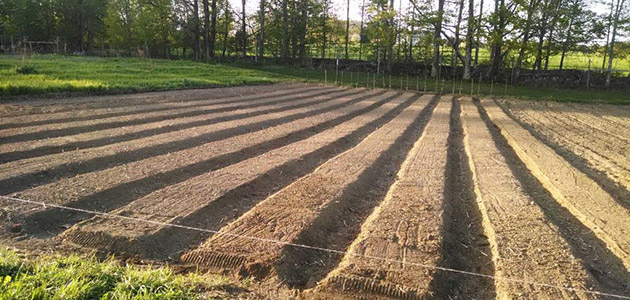
When possible, plow immediately after the previous harvest- especially if the soil is still moist. You can also irrigate the field to soften the soil. Use a disc or mould-board plow to kill weeds and incorporate crop residue, preferably 6-8 weeks before planting, with a maximum recommended depth of 10 cm. invert the soil for the required depth. The first harrowing is done along the plowing pattern to break the soil clods. Harrow the field 2-3 times at 5-7 days intervals. Apply lime once every three crop seasons for acid soils.
How to prepare the field for rice nursery-
Proper field preparation is crucial for your harvest, and it is necessary for rice production to minimize competition with weeds. Here are some recommendations-
- When possible, plow the field immediately after the previous harvest- especially if the soil is still moist. You can also irrigate the field to soften the soil. Another option would be to release water by the canals to soften the soil.
- First or primary plowing: Use a disc or moldboard plow to kill weeds and incorporate crop residue, preferably 6-8 weeks before planting with the maximum recommended depth (7-10cm). Apply available compost or composted farmyard manure (FYM) at least one month before transplanting.
- Second plowing: Plow across the field with the disc or tine harrow at least twice to make small clod sizes. You can use a hand power tool or animal power.
- Second Plowing should be 2-3 weeks before planting. It is important to plough when the soil is very wet. This breaks up all of the soil structure and allows for proper puddling. Last harrowing should be 1 week before planting with maximum recommended depth.
- Plough across the field with the disc or tine harrow at least twice to make small clod sizes. Second plowing should be 2-3 weeks before planting. It is important to plough when the soil is very wet. This breaks up all of the soil structure and allows for proper puddling. Last harrowing should be 1 week before planting with mximum recommended depth.
- Repair bunds/dikes, destroy rat burrows, repair any holes and cracks, and make the bunds compact. Bunds/dikes should be at least 0.5m high and 1m wide.
- Leveling the field will give better water coverage, better crop establishment, and better weed control.
Leave a Reply