Author: Sewa Bharati
-
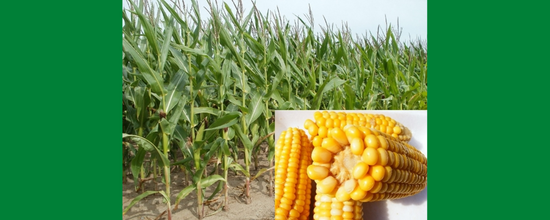
Maize Eleventh to twelfth week practices
Bacterial Stalk Rot: Symptoms: The basal internodes develop soft rot and give a water soaked appearance. A mild sweet fermenting odour accompanies such rotting. Leaves some time show signs of wilting and affected plants topple down in few days. Ears and shank may also show rot. They fail to develop further and the ears hang…
-
Maize Ninth to tenth week practices
Cob worm/ Earworm: Symptoms: Adult is a medium sized, brownish yellow moth, A prominent black spots on the fore wings and Broad black patch on the outer margin of hind wing. Caterpillar also feed partially on developing grains and bored holes are plugged with excreta. Caterpillars are also feeds on tender leaves for a short…
-
Maize Seventh to eighth week practices
Brown Spot of maize: Symptoms: Water soaked lesions, which are oval, later turn into light green and finally brown. The symptoms can develop on the leaf blade, stalk, sheath, and husks. On the leaf blade, these lesions consist of small chlorotic round to oblong, yellowish to brown in color, spots, arranged as alternate bands of…
-
Maize Fifth to sixth week practices
Shoot Bug: Symptoms: Adult are small, active light brown or dark brown in colour with transparent wings and movable spur on the hind legs. Adults and nymphs suck the sap from the plants The attacked plants become unhealthy, stunted and yellow. The leaves wither from top downwards. Cob formation is inhibited and the plants die…
-
Maize Third to fourth week practices
Pink Stem Borer: Symptoms: Caterpillar is smooth and pink coloured. Moth is medium sized stoutly built having straw coloured forewings with dark brown longitudinal streak in the middle of the wing. Larvae congregate inside the leaf whorls and feed on the central leaves causing typical ‘pin holes’ and later bore into the central shoot and…
-
Maize first to second week practices
First to second week: Climate: Maize is grown in temperatures between 18°C and 27°C during the day and around 14°C during the night. But the most important factor is the 140 frost-free days. Maize is grown mostly in regions having annual rainfall between 60 cm to 110 cm. The critical mean temperature range: Germination and…
-
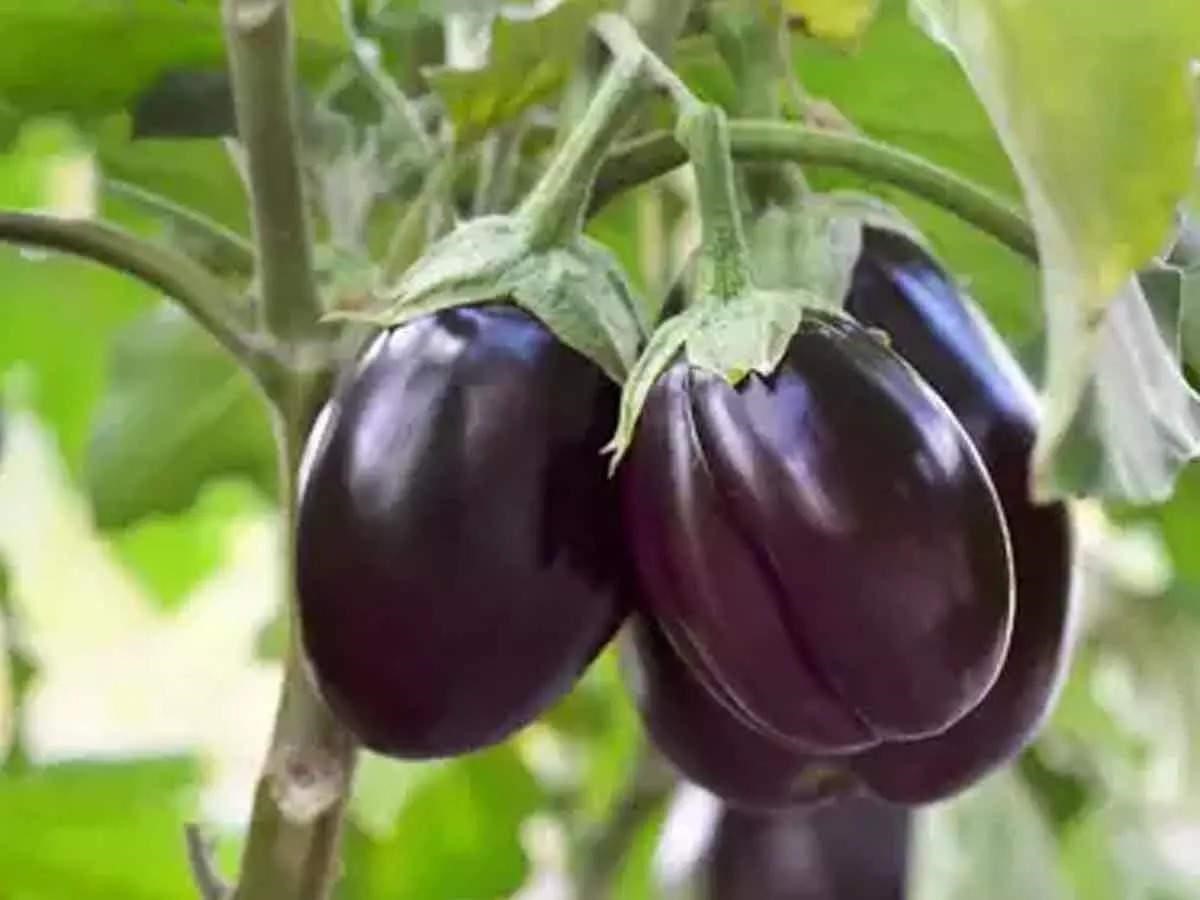
Brinjal Seventeenth to eighteenth week practices
HARVESTING Brinjal is harvested when the fruit attain proper size, color and before ripening stage. The fruit should have glossy appearance, attractive bright color to fetch good prices in the market. POST-HARVEST Brinjal fruits cannot be stored at room temperature for long duration because of high transpiration rate and water loss. Brinjal fruit can be…
-
Brinjal Fifteenth to sixteenth week practices
Picking of brinjal crop is started and farmer needs to be very careful at picking stage.
-
Brinjal Thirteenth to fourteenth week practices
Irrigation should be applied in the brinjal field to save from water scarcity. Mosaic: Light and green patches observed on leaves. Small bubbles or Blisters are form on leaves and leaf size remains small. Select healthy and disease free seeds for cultivation. Uproot and destroyed infected plant away from field. Recommendations given for aphids may be…
-
Brinjal Eleventh to twelfth week practices
Wilt: Dropping of entire leaves along with yellowing of crops. Wilting or drying of entire plant is seen. If infected stems cut and dipped in water, a white milky stream appears.Follow crop rotation. Cultivation of brinjal after french bean helps in controlling wilt. Remove and destroyed infected plant parts away from field. Avoid water stagnation…