Author: Sewa Bharati
-
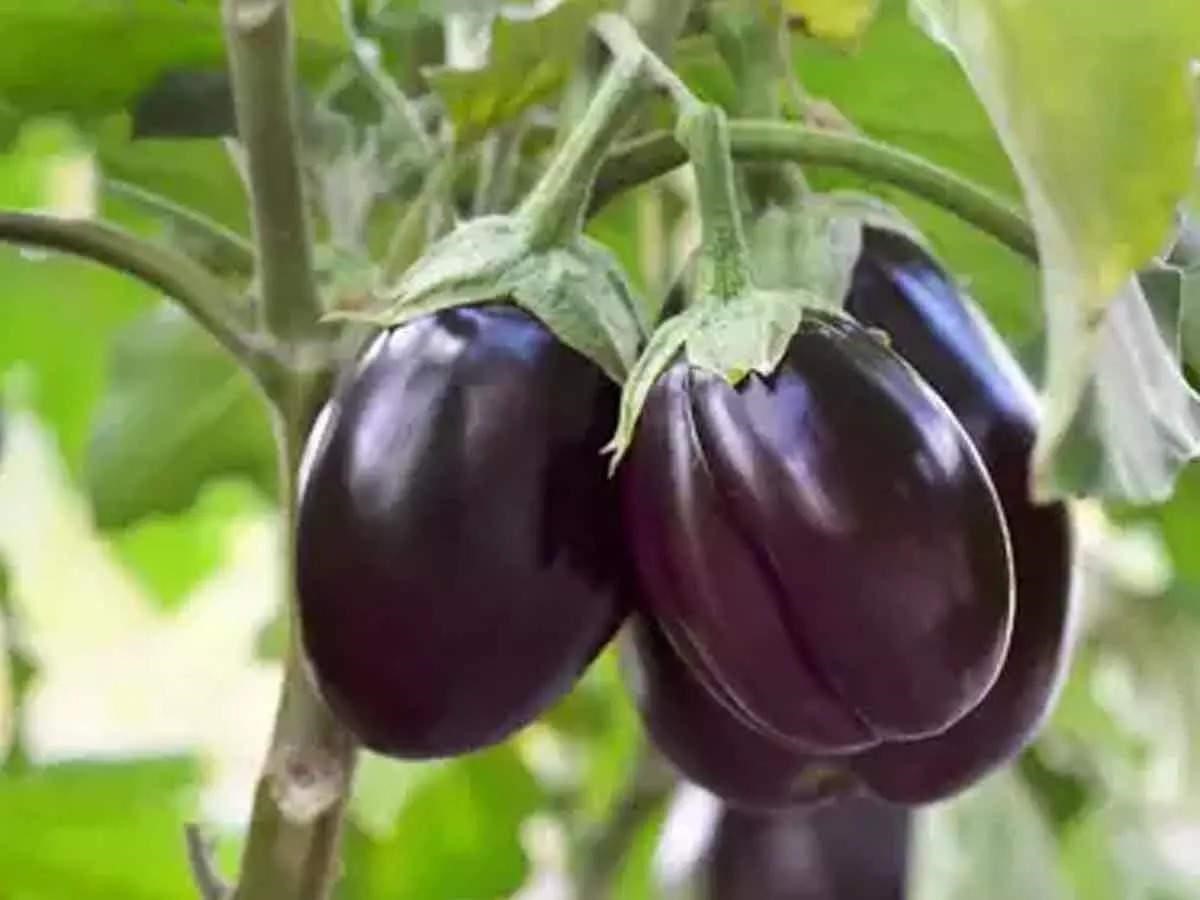
Brinjal Ninth to tenth week practices
Irrigation should be applied in the brinjal field to save from water scarcity. Phomopsis Blight and Fruit Rot: Dark brown color spots appear on leaves. The fruit show watery lesion and becomes black in appearance. Before sowing do seed treatment with Thiram@3gm per kg of seeds. Use blight disease resistant variety for cultivation. If infestation…
-
Brinjal Seventh to eighth week practices
Whiteflies Egg Adult Description of Insect Stages Eggs are yellowish white laid singly on the under surface of leaves. They are stalked and sub elliptical in shape. Nymphs are yellowish…
-
Brinjal fifth to sixth week practices
Irrigation should be applied in the brinjal field to save from water scarcity. Attack of aphids can be seen during this period, check crop regularly for their infestation, if seen then apply safety precautions as given below- Aphids Nymph Adult Description of Insect Nymphs are small, yellowish or brownish…
-
Brinjal third to fourth week practices
Hand weeding should be done this week to protect crops from weeds infestation and for better growth and establishment after weeding apply irrigation in the field. Attack of mites can be seen during this period, check crop regularly for their infestation, if seen then apply safety precautions as given below- Mite: If infestation of Mite…
-
Brinjal First to second week practices
First to second week- Soil– Brinjal is a hardy crop so it can be grown on different type of soils. As it is a long duration crop, it requires well drained fertile sandy loam soil which is best suited for its cultivation and gives good yield. For early crop light soil are good and for…
-
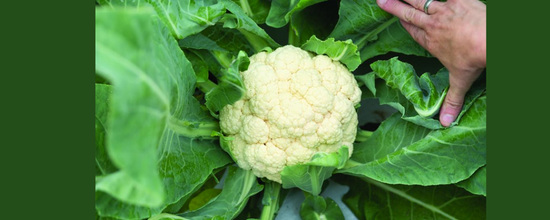
Cauliflower Thirteenth to fourteenth week practices
Cauliflower mosaic: Symptoms: Mosaic patterns on leaves; veinclearing and or veinbanding; stunted plant growth; reduced head size. Management: Control cruciferous weeds which can act as a reservoir for the virus; control aphid populations on plants by applying an appropriate insecticide. Harvesting, Yield and Storage: Cauliflower curds need to be blanched as they mature. This protects…
-
Cauliflower Eleventh to twelfth week practices
Diamond moth: Symptoms: Young larvae feed between upper and lower leaf surface and may be visible when they emerge from small holes on the underside of the leaf; older larvae leave large, irregularly shaped shot-holes on leaf undersides, may leave the upper surface intact; larvae may drop from the plant on silk threads if the…
-
Cauliflower Ninth to tenth week practices
Ring spot: Symptoms: Small, purple spots surrounded by a ring of water-soaked tissue on leaves which mature to brown spots with olive green borders 1-2 cm across; spots may develop numerous fruiting bodies which give them a black appearance or develop a concentric pattern; heavily infected leaves may dry up and curl inwards. Management: Refrain…
-
Cauliflower Seventh to eight week practices
Blackleg: Symptoms: Damping-off of seedlings; round or irregularly shaped gray necrotic lesions on leaves with dark margins; lesions may be covered in pink masses in favorable weather conditions. Management: Use disease free seed or treat with hot water to remove fungus prior to planting; remove and destroy crop debris after harvest or plow deeply into…
-
Cauliflower Fifth to sixth week practices
Hand weeding should be done in this week. Black rot: Symptoms: Irregularly shaped dull yellow areas along leaf margins which expand to leaf midrib and create a characteristics “V-shaped” lesion; lesions may coalesce along the leaf margin to give plant a scorched appearance Management: Primary method of controlling black rot is through the use of…