Author: Sewa Bharati
-
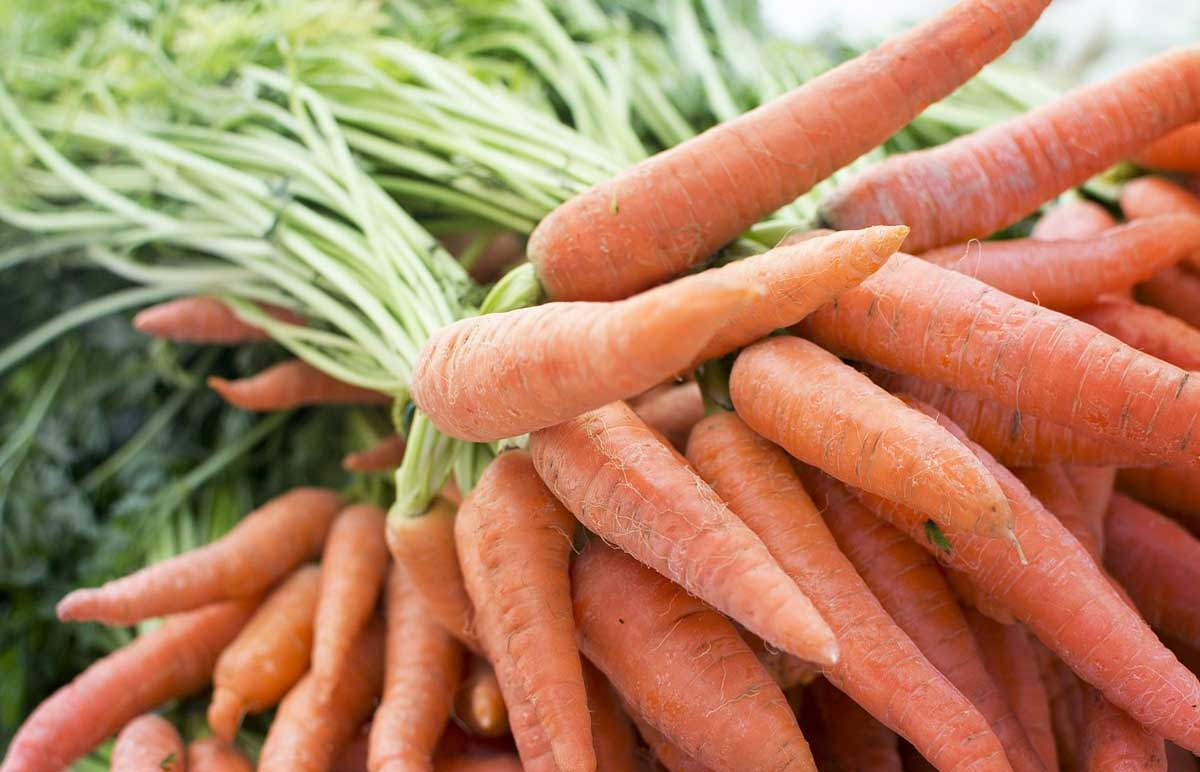
Fifth to Seventh week practices in carrot crop
Control your crop weeds by following recommendations- Post-emergence. Following crop emergence, fluazifop-P-butyl (Fusilade) can be applied for grass control, and linuron (Lorox) for annual broadleaf weeds and yellow nutsedge. Fluazifop-P-butyl is effective in controlling small seedling annual grasses and some perennial grasses. Effectiveness is reduced when grasses are under moisture stress. Later growth stages of annual…
-
Third to Fourth week practices in carrot crop
Monitor your field for some disease and insect/pest incidences- Aphids: Symptoms: Management:Spray with Actara-0.5gm/lt or Dhanpreet -0.5gm/lt + Econeem plus-1ml/lt of water. Aster leafhopper: Nature and symptoms of damage: Both nymphs and adults feed by inserting piercing and sucking the plant to extract sap. If a leafhoppers feed on an infested plant, it ingests the aster yellow pathogen. When…
-
First to Second week practices in carrot crop
Management before planting- Avoid planting carrots in fields last planted to cereals or in fields with known infestations of perennial weeds; available herbicides do not effectively control perennial weeds. To prevent the buildup of weed seed in the soil, cultivate weeds before they set seed in rotation crops. After harvest of the rotation crop, clean-cultivate…
-
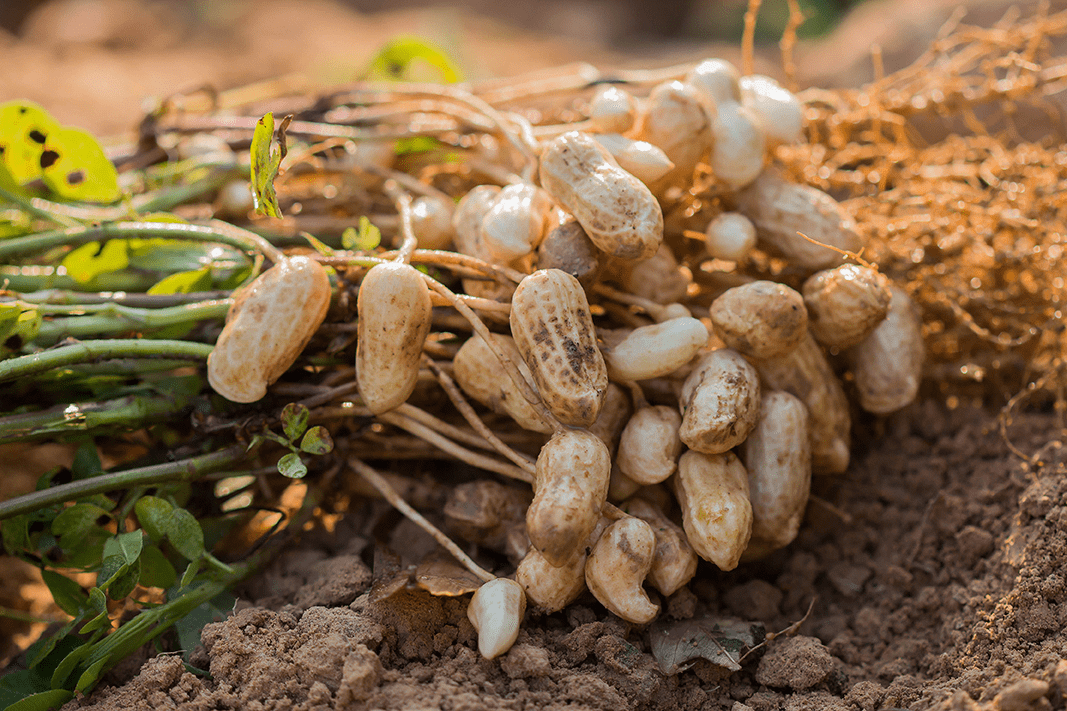
Fourteenth to Sixteenth week practices in rice crop
Harvesting For efficient harvesting of crop, adequate moisture should be present in soil and crop should not be overripe. The tractor- mounted groundnut-digger shaker developed at the Punjab Agricultural University may be used for quick harvesting. Harvested plants are stacked for a few days for drying and stripped afterwards. After curing, collect the crop at…
-
Eleventh to Thirteenth week practices in rice crop
Monitor your field for disease and insect/pest incidences- Gram pod borer: Helicoverpa armigera Symptoms of damage: Identification of the pest: Management: Pod borer: The holes are observed in young plant that is plugged with excreta. Nymph is of white in early stages and later turns brown. Apply Malathion 5D@10 kg/acre or Carbofuran 3%CG @13 kg/acre, on…
-
Eighth to Tenth week practices in rice crop
Add micronutrients to your crop- Secondary nutrients and micronutrients are usually added after a soil test or after the detection of a deficiency in your crop. Boron, iron, zinc, manganese and calcium are the most common compliments. The addition can be done as a side dressing at the base of the plant, or as a…
-
Sixth to Seventh week practices of rice crop
Irrigate crop during this critical growth phase- Monitor your field for disease and insect/pest incidences- Jassids: Empoasca kerri Symptoms of damage: Identification of the pest: Management: White grubs: Holotrichia consanguinea, Holotrichia serrata Symptoms of damage: Identification of the pest: Management: Rust: Pustules appear first on the lower surface of leaf. They may be formed on all aerial…
-
Third to Fifth week practices of rice crop
Weed control Weed control during first 45 days of growth period is essential for good yield. The most critical period is 3-6 weeks after sowing of crop. The average yield loss due to weed is about 30% whereas under poor management yield loss by weed may be 60%., therefore carryout mechanical or chemical weed control…
-
First to Second week practices in groundnut crop
Ideal soil and weather conditions for groundnut crop- Soil type for groundnut- Groundnut is raised in a sandy loam as well as well drained sandy clay loam soil. Deep well- drained soil with pH of 6.5 -7 as well as having great fertility are perfect for groundnut cultivation. Spanish as well as Runner varieties are…
-
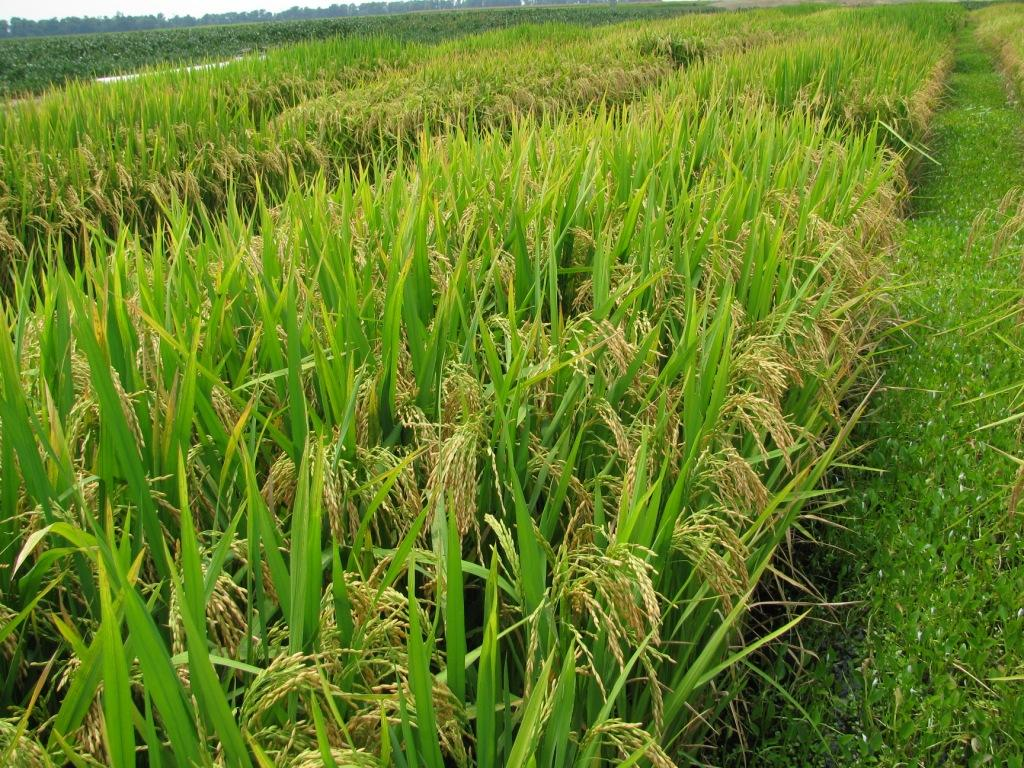
Fifteenth to Sixteenth week practices in rice crop
Harvesting Reap the yield once the panicles are developing fully as well as the crops get significantly yellow. The yield is generally harvested manually by sickles or by blend harvester. The harvested crops, tied up into compact bundles, strike it against a really hard surface to split the grains from straw, accompanied by winnowing. Post-harvest…