Author: Sewa Bharati
-
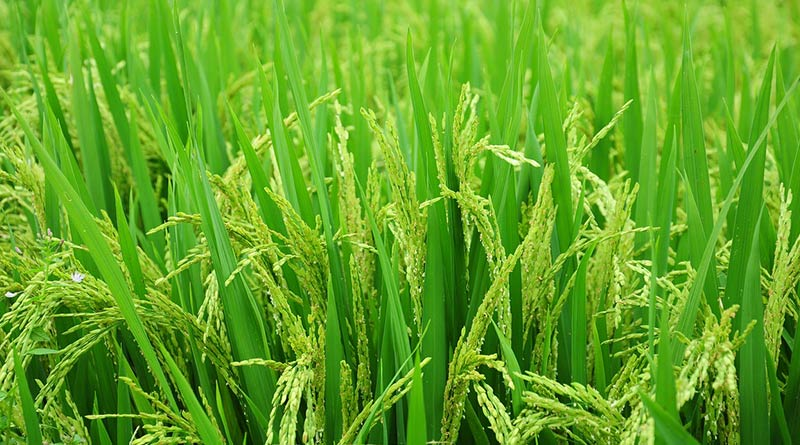
Thirteenth to Fourteenth week practices in rice crop
Monitoring of field- Monitor the growth of your crop often. Walk through your field in a random manner or zigzag and check for signs of diseases, pests and deficiencies. Deficiencies are characterized by the discoloration of leaves and poor vigor of the plants. Diseases are often visible as discoloration and spots or streaks on leaves.…
-
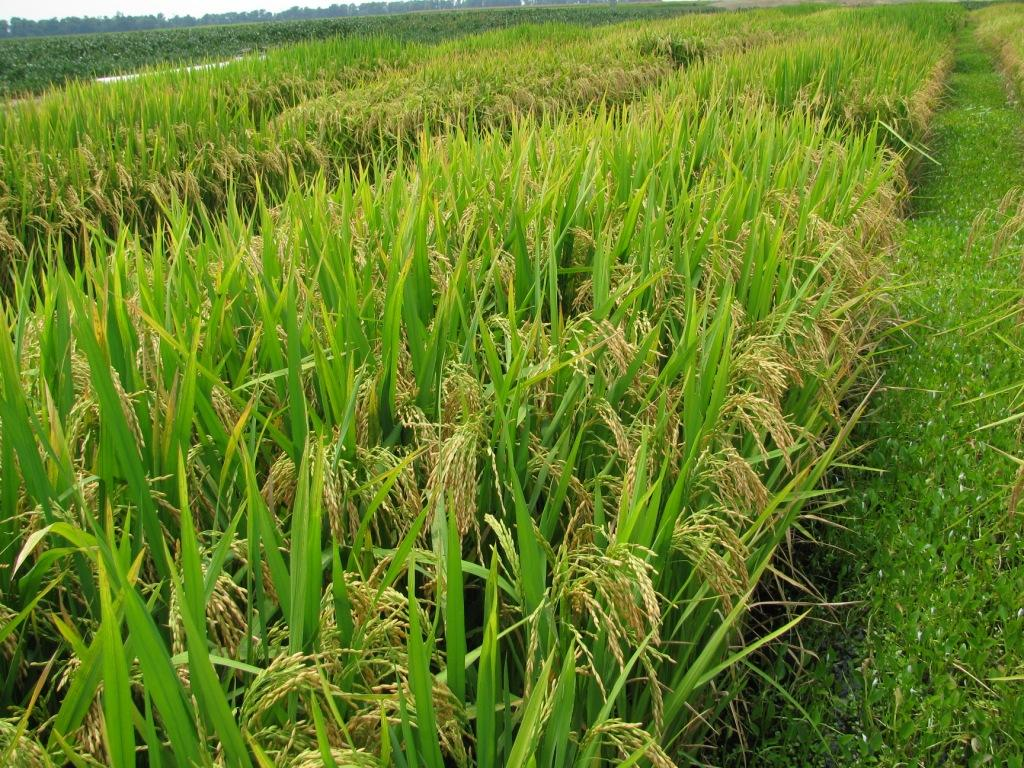
Eleventh to Twelfth week practices in rice crop
Maintain water in the rice field for better growth and production. To maximize water use efficiency:- Monitor your field during this week for insect-pest and disease incidences. Visit the field monitor the crop closely from inside. Brown plant leafhopper: Nilaparvata lugens Symptoms of damage: Identification of insect pest: Management: ETL: 1 hopper/ tiller in the absence of…
-
Ninth to Tenth week practices in rice crop
Monitor the field/ self field inspection- Monitor the growth of your crop often. Walk through your field in a random manner or zigzag and check for signs of diseases, pests and deficiencies. Deficiencies are characterized by the discoloration of leaves and poor vigor of the plants. Diseases are often visible as discoloration and spots or…
-
-
Fifth to Sixth week practices in rice crop
Weed control- For grassy weeds, you can apply within 15-20 days: For broadleaf weeds, you can apply within 25-30 days: Blast- Leaf Blast- Neck Blast- Nodal Blast- Nodes become black and break up. Management- Cultural method- Chemical Method- Pre-tillering to Mid-tillering- Flowering and after flowering- At 5 % leaf area damage or 1 to 2…
-
Third to Fourth week practices in rice crop
Manual and mechanical weed control- It is recommended to remove weeds the first 20-50 days after transplanting the crop in the main field. Repeat the weeding twice more during the crop cycle. Manual weeding is a part of integrated weed management that involves the use of cultural, manual and mechanica control methods. Weeds need to…
-
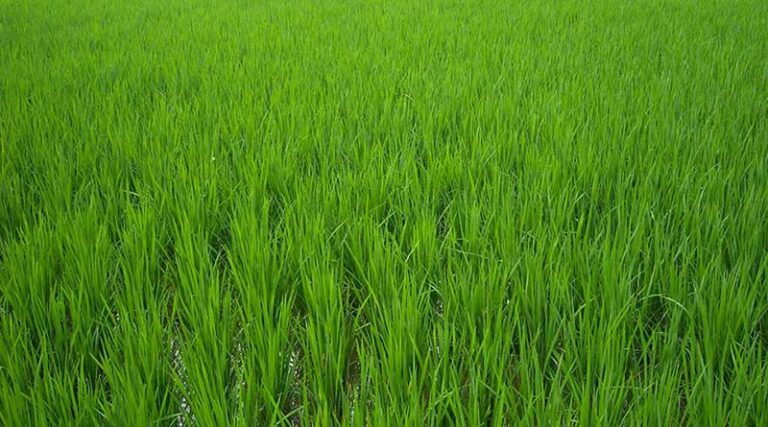
First to Second week practices in rice crop
Choose a variety that fits your needs- Popular varieties with their yield PR 128: PR 128 of rice is an improved version of PAU 201. It possesses long slender clear translucent grains. Its average plant height is 110 cm and matures in about 111 days after transplanting. It is resistant to all the 10 presently prevalent…
-
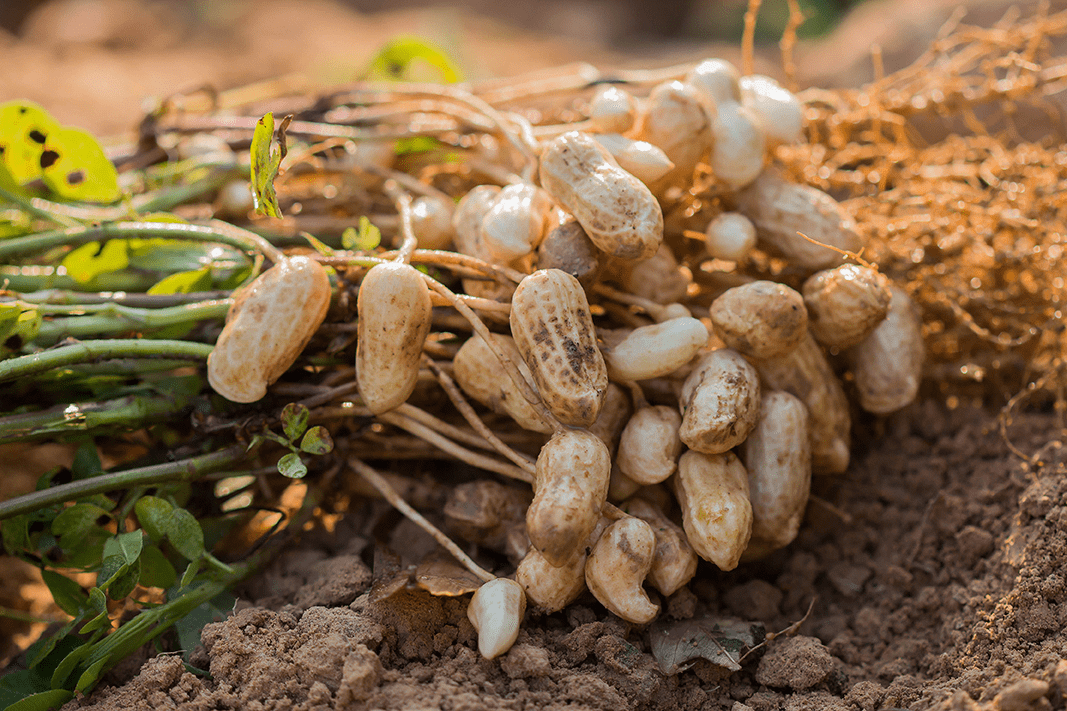
चौदहवें से सोलहवें सप्ताह मूंगफली फसल में की जाने वाली कृषि पद्धति
फसल काटने वाले फसल की कुशल कटाई के लिए मिट्टी में पर्याप्त नमी मौजूद होनी चाहिए और फसल अधिक पकी नहीं होनी चाहिए। पंजाब कृषि विश्वविद्यालय में विकसित ट्रैक्टर-माउंटेड मूंगफली-खुदाई शेकर का उपयोग त्वरित कटाई के लिए किया जा सकता है। काटे गए पौधों को सुखाने के लिए कुछ दिनों के लिए ढेर लगा दिया…
-
ग्यारहवें से तेरहवें सप्ताह मूंगफली फसल में की जाने वाली कृषि पद्धति
रोग और कीट/कीट प्रकोप के लिए अपने खेत की निगरानी करें- चना फली छेदक: हेलिकोवर्पा आर्मीगेरा क्षति के लक्षण: कीट की पहचान: प्रबंध: फली छेदक: छोटे पौधों में छेद देखे जाते हैं जिन्हें मलमूत्र से बंद कर दिया जाता है। निम्फ प्रारंभिक अवस्था में सफेद रंग का होता है और बाद में भूरे रंग का…
-
आठ से दसवां सप्ताह मूंगफली फसल में की जाने वाली कृषि पद्धति
अपनी फसल में सूक्ष्म पोषक तत्वों को शामिल करें- माध्यमिक पोषक तत्व और सूक्ष्म पोषक तत्व आमतौर पर मिट्टी परीक्षण के बाद या आपकी फसल में कमी का पता लगाने के बाद जोड़े जाते हैं। बोरोन, लोहा, जस्ता, मैंगनीज और कैल्शियम सबसे आम पूरक हैं। इसके अलावा पौधे के आधार पर साइड ड्रेसिंग के रूप…