Author: Sewa Bharati
-
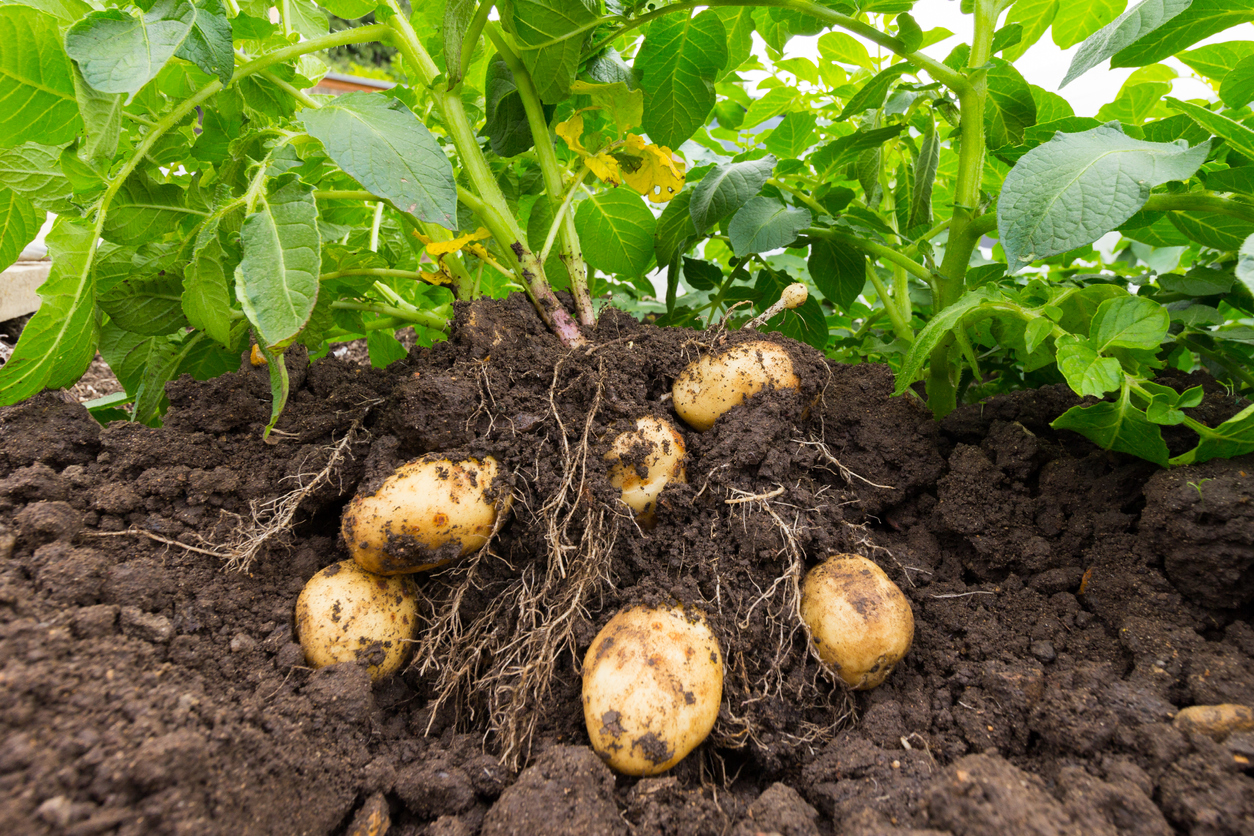
Potato Crop Fruiting Stage
The fruiting stage of potato growth also known as tuber bulking is when the tubers have the greatest expansion by accumulating carbohydrates, nutrients, and water. Due to the high rate of growth, tubers have the highest water requirement at this stage. Irrigation during this time also helps to keep soil temperatures low. Minor water deficits…
-
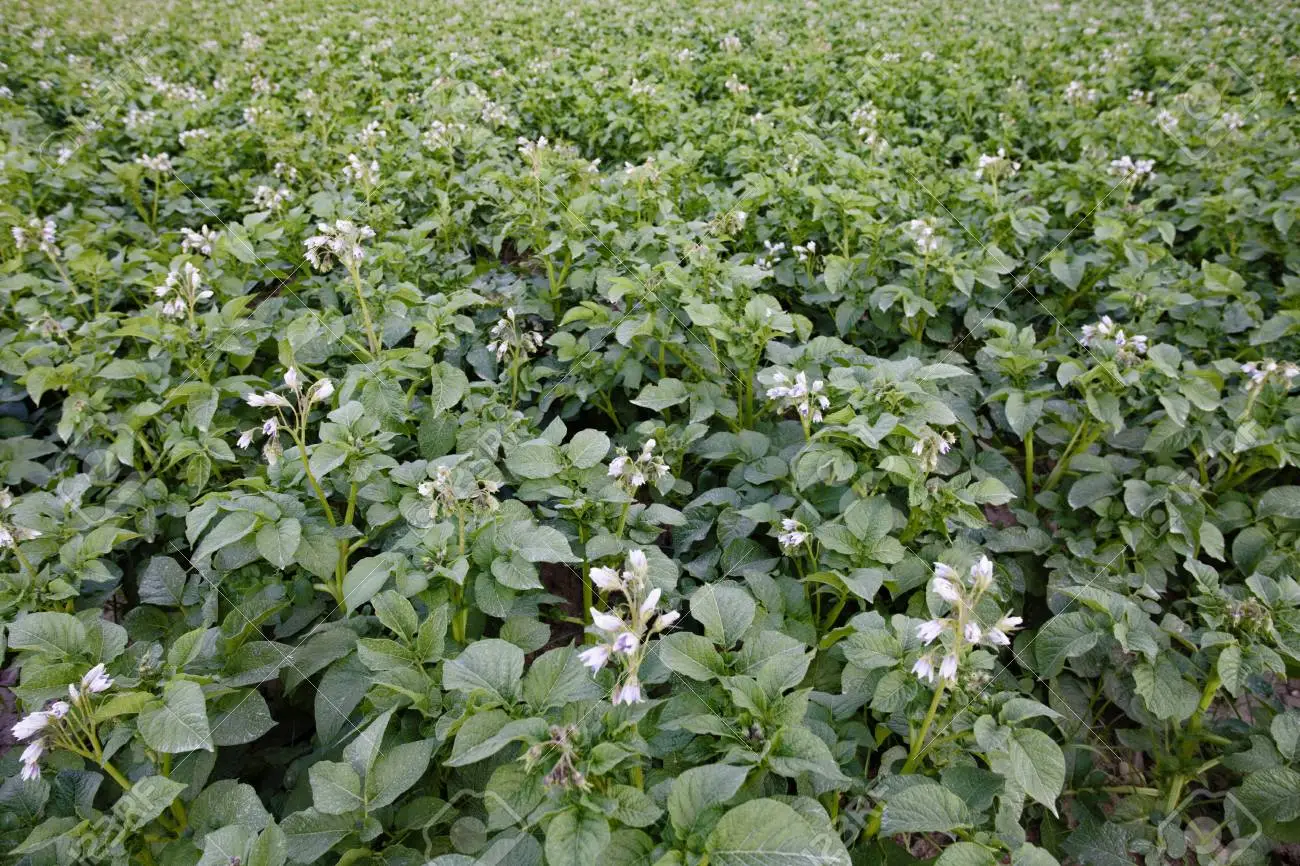
Potato Crop Flowering Stage
Monitoring of field- Monitor the growth of your crop often. Walk through your field in a random manner or zigzag and check for signs of diseases, pests and deficiencies. Deficiencies are characterized by the discoloration of leaves and poor vigor of the plants. Diseases are often visible as discoloration and spots or streaks on leaves.…
-
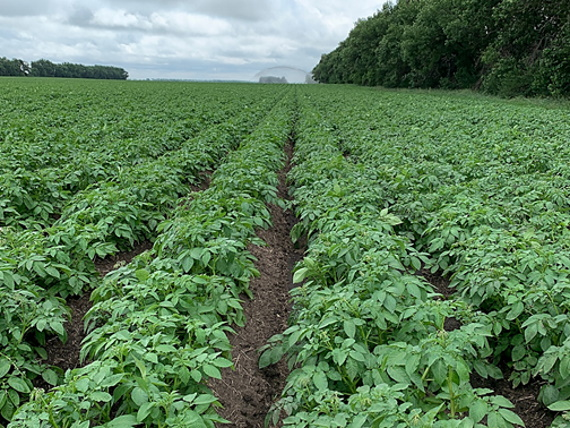
Potato Crop Vegetative Stage
Apply a second dose of urea (1 bag)/acre after that to give irrigation in the potato field. Monitor your field for checking some insect and disease infestation- Cut Worms (Agrotis spp, Euxoa spp) They cut the sprouts at ground level. They feed only at night. They also attack tubers and make holes, thereby reducing market…
-
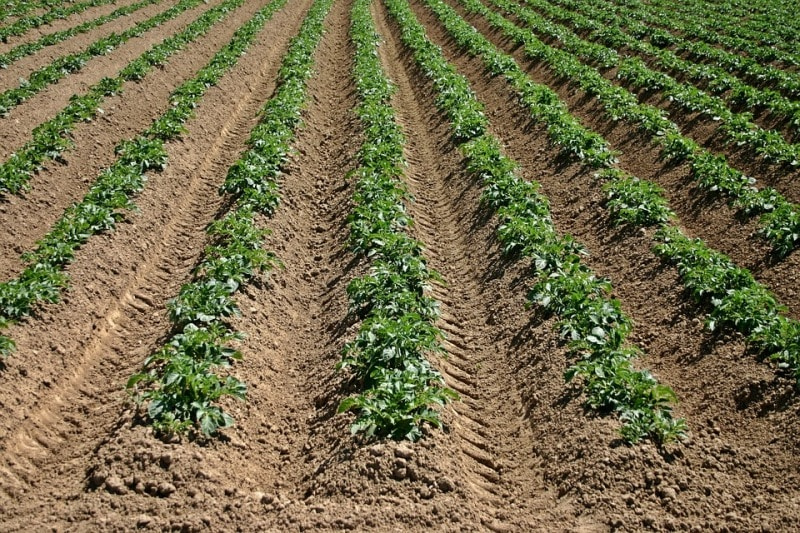
Potato Crop Seedling Stage
Bio fertilizers: Dormancy Breaking- Cut the tubers in pieces having at least three healthy eyes and dip in 1% solution of thiourea for one hour. The planting should be done just after treatment or kept in wet gunny bags for one night. Planting potato practices- Apply basal dose of 1 bag Urea, 5 bag DAP…
-
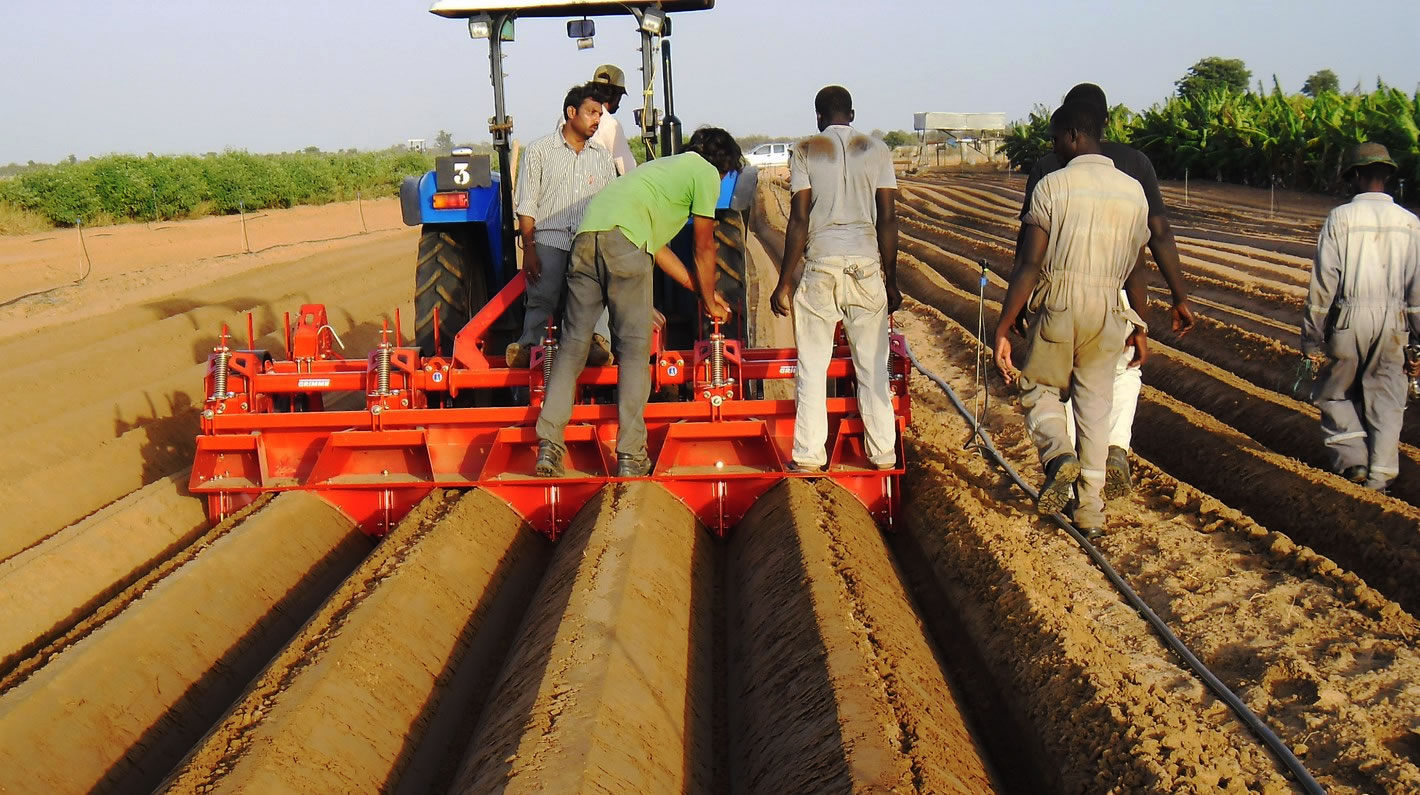
Potato Crop Practices Before Seedling Stage
Climatic requirement Planting Time: To secure high yields, it is essential to plant the potatoes at the optimum time. The best time of planting is when the maximum and minimum temperatures are from 30°C to 32°C and 18°C to 20°C, respectively. The following time schedule should be followed for obtaining good yields. 2 weeks before…
-
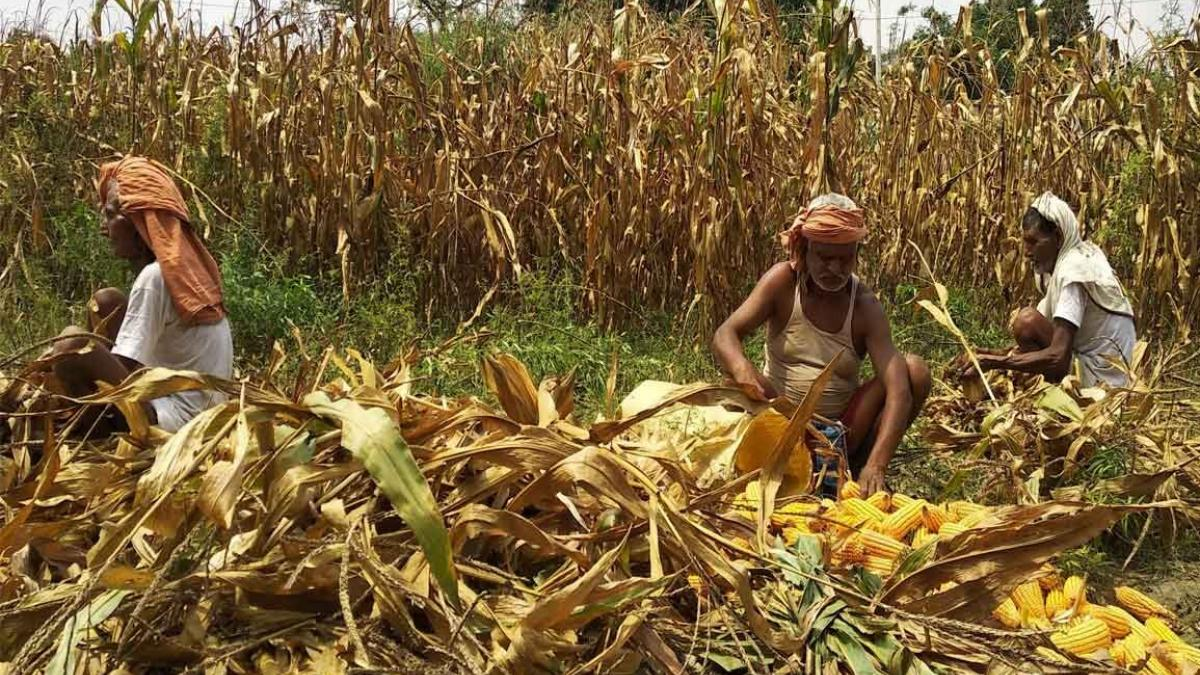
Maize Harvesting Stage
Methods of harvesting maize For grains Harvesting by hand is only performed in very small fields or gardens where maize is mainly cultivated for self-use (human consumption or feed for farm animals that the family owns). This method is not cost or time-effective since one person will need from 30 to 100 hours to harvest…
-
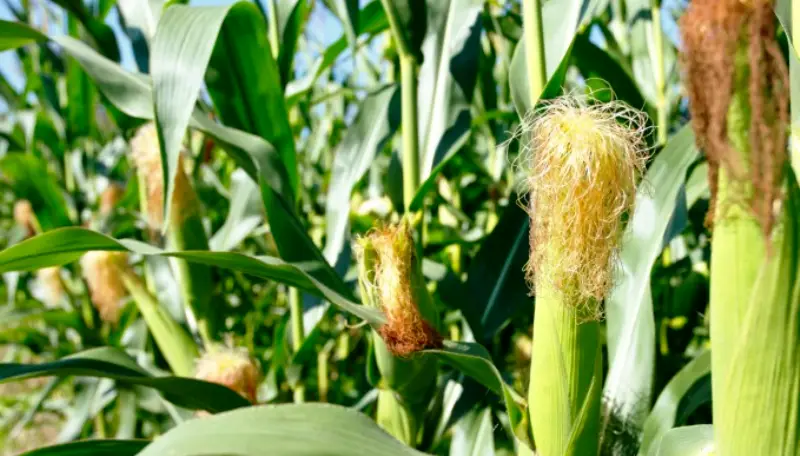
Maize Fruiting Stage
Apply 7 kg of urea per acre. This application is optional. You can either apply side dressing or broadcast the fertilizers. Example: if you have 3 acres, you will need to apply 21 kg of urea in total. Monitor your field for some diseases incidence- Charcoal rot: Macrophomina phaseolina Symptoms: Management Cob worm/Earworm: Symptoms: Management:
-
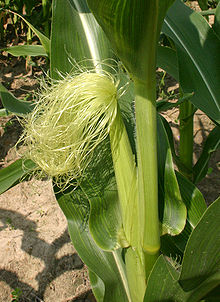
Maize Flowering Stage
Nitrogen split fertilization at tasseling- Apply 26 kg of urea per acre at this time in your cropping cycle. You can either apply side dressing or broadcast the fertilizers. Maize produces a tassel of silks at the top of each ear when the plants are ready to start producing. The tassels produce the pollen that…
-
Maize Vegetative Stage
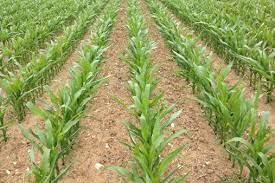
Nitrogen split fertilization at 6 leaves- Once your maize plants have developed 6 leaves, apply 33 kg/acre of urea. It will be more efficient if you apply side dressing. If this is not possible, broadcast the fertilizer. Rapid nitrogen uptake by the maize plant begins about 5 weeks after germination (30-40 days) and will continue…
-
Maize Crop Practices Before Seedling Stage
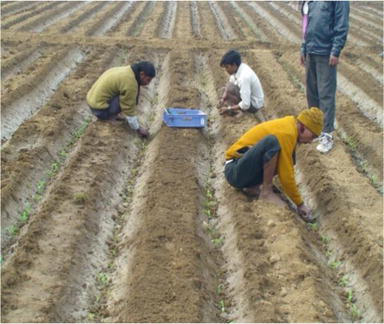
3 weeks before seedlings Good field conditions for your maize crop- Climate: The critical mean temperature range: Germination and seedling growth : 26° to 30°C Vegetative Phase : 34°C Tasselling Phase …