Author: Sewa Bharati
-
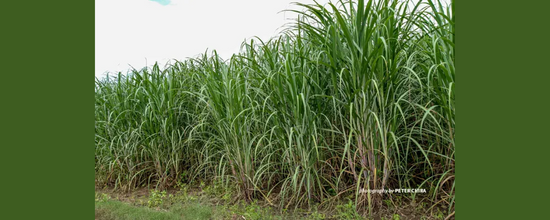
Sugarcane Forty-eighth to fiftieth week practices
Harvesting: Sugarcane should be harvested only when it is mature. Practical tests to judge maturity are general yellowish color of whole crop cessation of growth swelling of eye buds metallic sound of cane breaking of cane at the nodes Brix saccharometer reading between 21 and 24. Harvesting should be done with a sharp cane cutting…
-
Sugarcane Thirty-seventh to forty-eighth week practices
If there is no problem in crops then only the practices of irrigation should be done.
-
Sugarcane Thirty-Fifth to thirty-sixth week practices
Pokkah Boeng: Symptoms: Chlorotic Phase: Acute Phase or Top-Rot Phase: Knife-cut Phase (associate with top rot phase): one or two or even more transverse cuts in the rind of the stalk /stem in such a uniform manner as if the tissues are removed with a sharp knife, This is an exaggerated stage of a typical…
-
Sugarcane Thirty-third to thirty-fourth week practices
Wilt: Symptoms: The affected plants are stunted with yellowing and withering of crown leaves. The midribs of all leaves in a crown generally turn yellow, while the leaf lamina may remain green. Management– Cultural Control- Select the seed material from the disease-free plots. Burn the trash and stubbles in the field. Grow coriander or…
-
Sugarcane Thirty-first to thirty-second week practices
Irrigation should be given in this week. Scale Insect: Symptoms: The leaves of infested canes show signs of tip drying and unhealthy pale green color and severe infestation causes yellowing. Severe desapping leads to non-opening of leaves, which also turn yellow and finally dry up. Infested crop losses its vigor, canes shrivel, growth is stunted…
-
Sugarcane Twenty-ninth to thirtieth week practices
Irrigation should be given in this week. Yellow Leaf Spot: Symptoms: Symptoms are a yellowing of the leaf midrib on the underside of the leaf. The yellowing first appears on leaves 3 to 6 counting down from the top expanding spindle leaf. Yellowing is most prevalent and noticeable in mature cane from October until the…
-
Sugarcane Twenty-seventh to twenty-eighth week practices
Pyrilla: Symptoms: Adult is a pale Brown in color soft bodied insect that has a long snout or beak in front of its head. Nymphs are brown in color with two feathery filaments at the end of the abdomen. Adults and nymphs suck phloem sap from leaves and excrete honeydew on the foliage leading to…
-
Sugarcane Twenty-fifth to twenty-sixth week practices
Irrigation should be given in this week. Red Rot: Symptoms: The first external symptom appears mostly on the third or fourth leaf which withers away at the tips along the margins. The reddening of the internal tissues which are usually elongated at right angles to the long axis of the stalk. The presence of cross-wise…
-
Sugarcane Twenty-third to twenty-fourth week practices
Rust: Symptoms: Minute, elongated, yellow spots (uredia), usually 2-10 x 1-3 mm appear on both the surfaces of young leaves. The pustules turn to brown on maturity. Late in the season, dark brown to black telia appear on the lower surface of leaves. Management: Cultural Control: Use resistant varieties like Co 91010 (Dhanush), Co 87025…
-
Sugarcane twenty-first to twenty-second week practices
Internode Borer: Symptoms: Larvae are white with a black head which later become creamy in color Body bearing stout hairs in each section of the body lour with prominent brown spots. Adult moths are yellowish or straw coloured with thin brown lines along the length of the forewings Hindwings in females are white but…