Author: Sewa Bharati
-
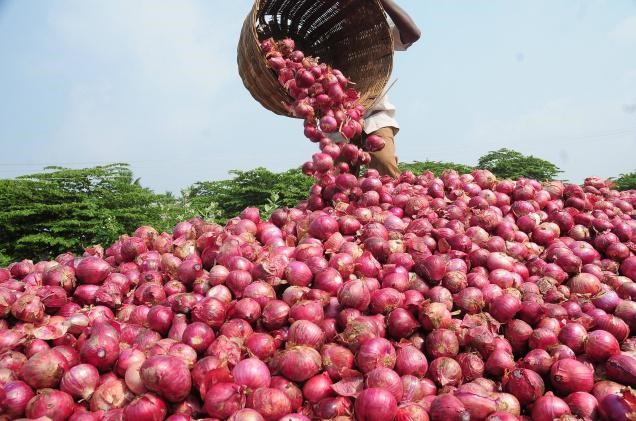
Onion Ninth to tenth week practices
Purple Blotch: It is an important disease prevalent in all the onion growing areas. Hot and humid climate with temperature ranging from 21-30°C and relative humidity (80-90%) favour the development of the disease. It is more common in kharif season. The symptoms occur on leaves and flower stalks as small, sunken, whitish flecks with purple…
-
Onion Seventh to eighth week practices
Downy Mildew: The disease is caused by and reported from northern hilly track and plains particularly in high humid locations. The disease is worse in damp conditions and late planting of the crop, application of higher doses of fertilizers and numerous irrigation increased disease severity. Symptoms appear on the surface of leaves or flower stalks…
-
Onion Fifth to sixth week practices
Cutworms: The larvae of this insect are seen in nursery beds and newly transplanted onion fields. The tender plants are found damped at ground level during the night Young larvae feed gregariously on foliage but later segregate and enter into soil. Young larvae are yellowish grey and later on become brown, greasy to touch and…
-
Onion Third to fourth week practices
Onion Smut: The disease occurs in areas where temperature remains below 30°C. Since the fungus remains in soil, disease appears on the cotyledon of the young plant soon after it emerges. Smut appears as elongated dark, slightly thickened areas near the base of seedlings. The black lesions appear near the base of the scales on…
-
Onion First to second week practices
First to second week: Soil: Onion can be grown on a wide range of soil. However, red loam or black soil and sandy loam to silly loam with good drainage facilities and deep friable is highly preferred for onion cultivation. The soil pH of 5.5-6.5 with mild season is preferred for better yield. Adding organic…
-
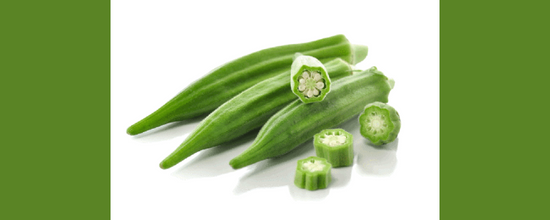
Okra Eighth to ninth week practices
Harvesting: Flowering starts from 35-40 days after planting. Crop starts harvesting in 55-65 days after planting when pods are 2-3 inches long. Pods are tender at this stage. It should be harvested after every 2-3 days as the Okra pods grow very fast. The pods should not mature on the plant because this will hinder…
-
Okra Seventh week practices
Cercospora leaf spot: Spots of grayish centre and red borders appear on the leaves. In case of severe infestation, defoliation occurs. To avoid future infection do seed treatment with Thiram. If infestation of disease is observed in field, take spray of Mancozeb@4gm/Ltr or Captan@2gm/Ltr or Carbendazime@2gm per Ltr of water or give 2-3 foliar spray…
-
Okra Sixth week practices
Powdery mildew: White powdery growth is observed on young leaves and also on fruits. In severe condition premature defoliation and fruit drop is observed. Fruit quality gets deteriorated and they remain small in size. If infestation is observed in field, take spray of Wet table Sulphur 25gm/10Ltr of water or Dinocap@5ml/10Ltr of water, 4times at…
-
Okra Fifth week practices
Shoot and Fruit borer: The insect larvae bore into the shoots during vegetative growth resulting in drooping of affected shoots. In later stages bored fruits have larvae inside and filled with excreta. Destroy infested parts. If pest population is high, spray Spinosad@1ml/Ltr water or Chlorantraniliprole 18.5%SC (Coragen) @ 7ml/15Ltr of water or Flubendiamide@50ml/acre added in…
-
Okra Fourth week practices
Blister beetle: The beetle feed on pollen, petals and flower buds. If infestation is observed, collect and destroy adults and take spray of Carbaryl@800gm/150Ltr of water or Malathion@400ml/150Ltr of water or Cypermethrin@80ml per 150Ltr of water is effective. Aphid: Colony of aphids on young leaves and fruits can be seen. Adult and nymphs, both suck…