Category: Uncategorized
-
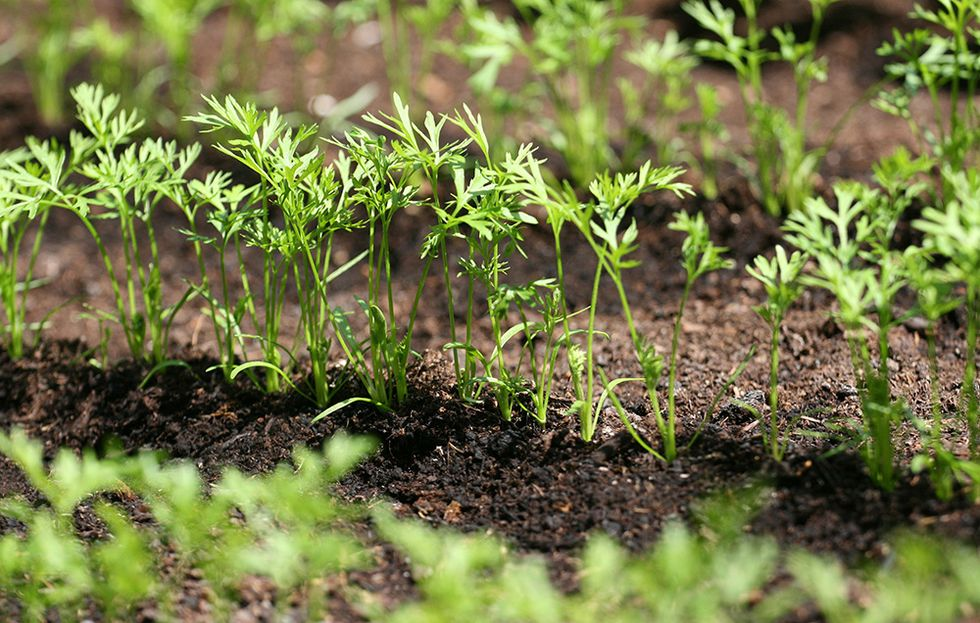
Carrot Seedling Stage
Method of sowing– Carrots are sown in raised beds having a dimension of 1 meter breadth, any convenient length and raised from 15 to 30 cm. In order to have an evenly sown crop the seeds are mixed with dry/loose soil. Generally, there are two methods of sowing as described below:- Broadcast Sowing: In this…
-
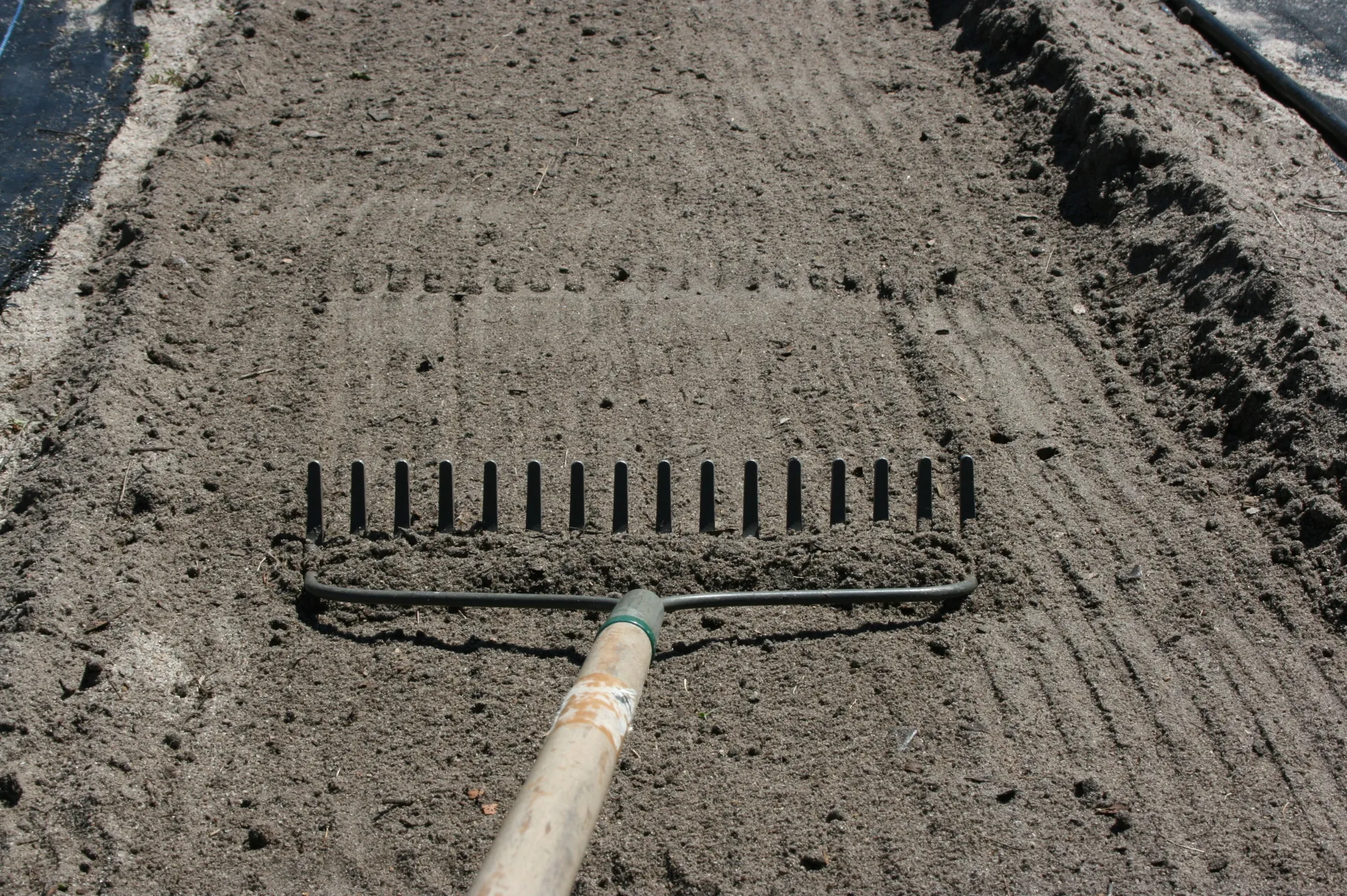
Carrot Before Seedling Stage
3 weeks before planting Management before planting- Avoid planting carrots in fields last planted to cereals or in fields with known infestations of perennial weeds; available herbicides do not effectively control perennial weeds. To prevent the buildup of weed seed in the soil, cultivate weeds before they set seed in rotation crops. After harvest of…
-
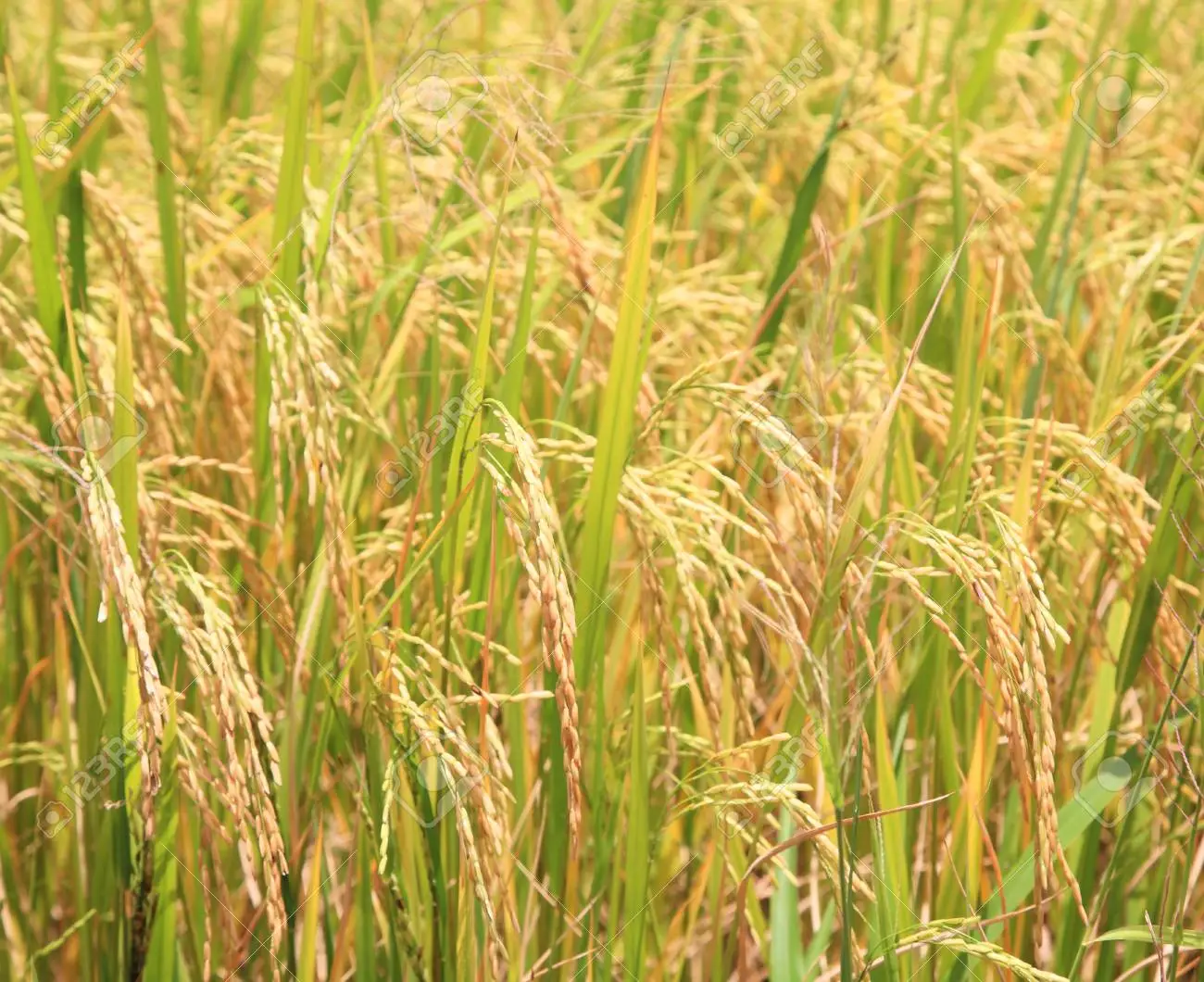
Rice Crop Maturity and Harvesting Stage
Monitoring of field- Monitor the growth of your crop often. Walk through your field in a random manner or zigzag and check for signs of diseases, pests and deficiencies. Deficiencies are characterized by the discoloration of leaves and poor vigor of the plants. Diseases are often visible as discoloration and spots or streaks on leaves.…
-
Rice Crop Milking and Dough Stage
Maintain water in the rice field for better growth and production. To maximize water use efficiency:- Monitor your field during this week for insect-pest and disease incidences. Visit the field monitor the crop closely from inside. Brown plant leafhopper: Nilaparvata lugens Symptoms of damage: Identification of insect pest: Management: ETL: 1 hopper/ tiller in the absence of…
-
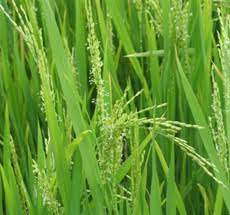
Rice Crop Flowering Stage
Monitor your field for some disease and insect-pest incidence- Sheath Rot: Sarocladium oryzae Symptom of Damage Management- Cultural Method- Chemical Method- Brown Spot: Helminthosporium oryzae Management- Metominostrobin @ 500ml/ha. Sheath Blight: Sheath Blight is a fungal disease caused by Rhizoctonia solani. The disease is more prominent at tillering to heading stage. Symptoms:Initially the symptoms can be seen on the…
-
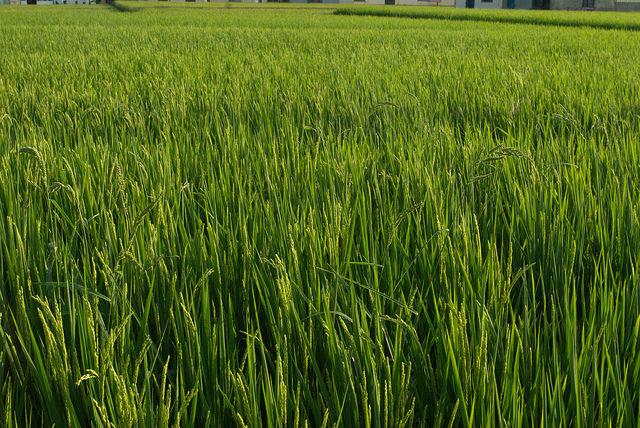
Rice Booting and Heading Stage
Fertilization of rice crop- Monitor the field/ self field inspection- Monitor the growth of your crop often. Walk through your field in a random manner or zigzag and check for signs of diseases, pests and deficiencies. Deficiencies are characterized by the discoloration of leaves and poor vigor of the plants. Diseases are often visible as…
-
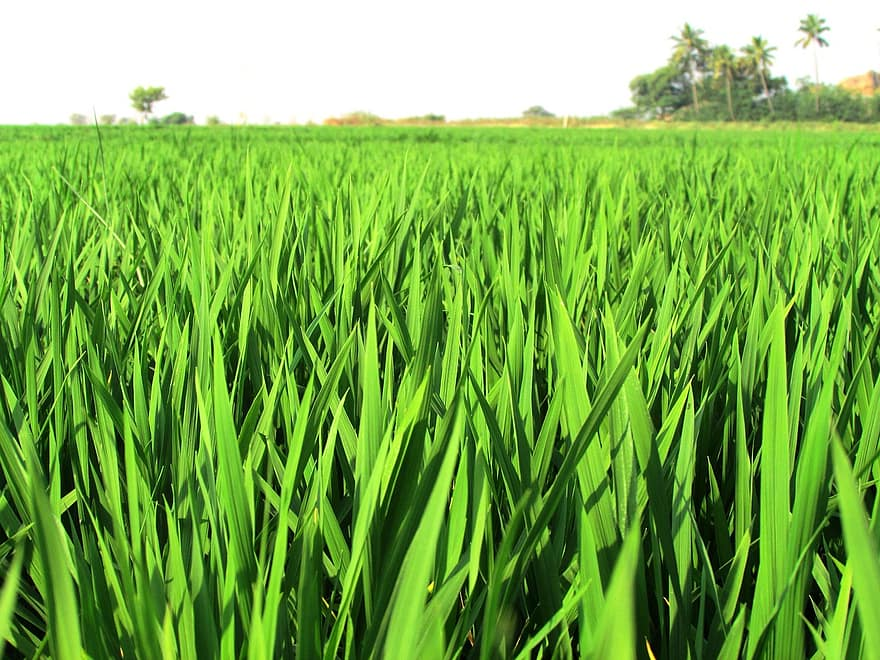
Tillering and Panicle Initiation Stage
Panicle initiation stage starts, farmers need to be very careful during this week. Weed control- For grassy weeds, you can apply within 15-20 days: For broadleaf weeds, you can apply within 25-30 days: Blast- Leaf Blast- Neck Blast- Nodal Blast- Nodes become black and break up. Management- Cultural method- Chemical Method- Pre-tillering to Mid-tillering- Flowering…
-
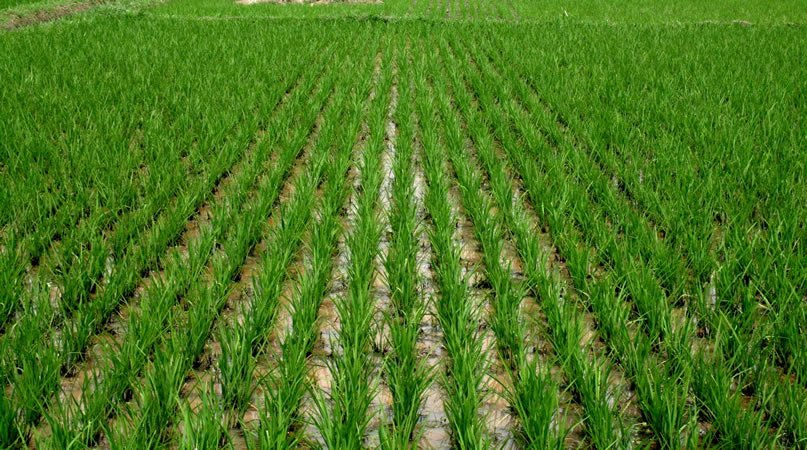
Rice Crop Vegetative Stage
Manual and mechanical weed control- It is recommended to remove weeds the first 20-50 days after transplanting the crop in the main field. Repeat the weeding twice more during the crop cycle. Manual weeding is a part of integrated weed management that involves the use of cultural, manual and mechanica control methods. Weeds need to…
-
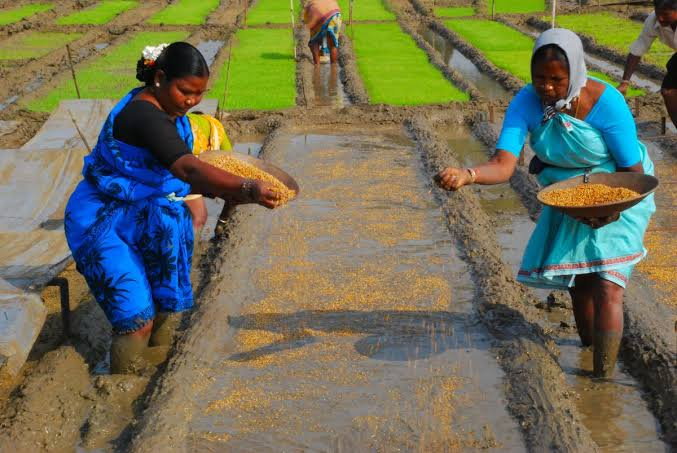
Rice Seedling Stage
Select a good nursery site- Install your rice nursery in an accessible and sunny place close to the rice fields and water source, and sheltered from animals and birds. Do not install your nursery in the shade of trees, as this will weaken the seedlings. Prepare nurseries- Wet bed nursery: It is done in regions…
-
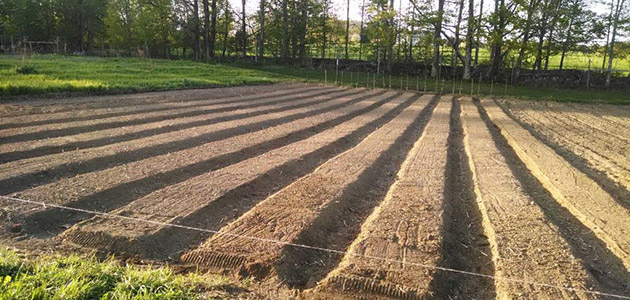
Before Seedling Stage
Choose a variety that fits your needs- Popular varieties with their yield PR 128: PR 128 of rice is an improved version of PAU 201. It possesses long slender clear translucent grains. Its average plant height is 110 cm and matures in about 111 days after transplanting. It is resistant to all the 10 presently prevalent…