Category: Uncategorized
-
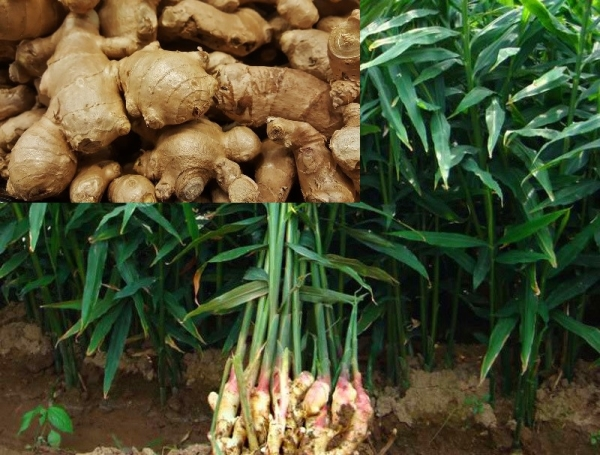
Ginger Crop Full General Practices
Ginger The ginger plant has a thick, branched rhizome (underground stem) with a brown outer layer and yellow centre that has a spicy, citrusy aroma. Every year, it grows pseudostems (false stems made of tightly wrapped leaf bases) from the rhizome which bear narrow leaves. Anatomy of Ginger: Climate: Ginger grows well in warm and humid…
-
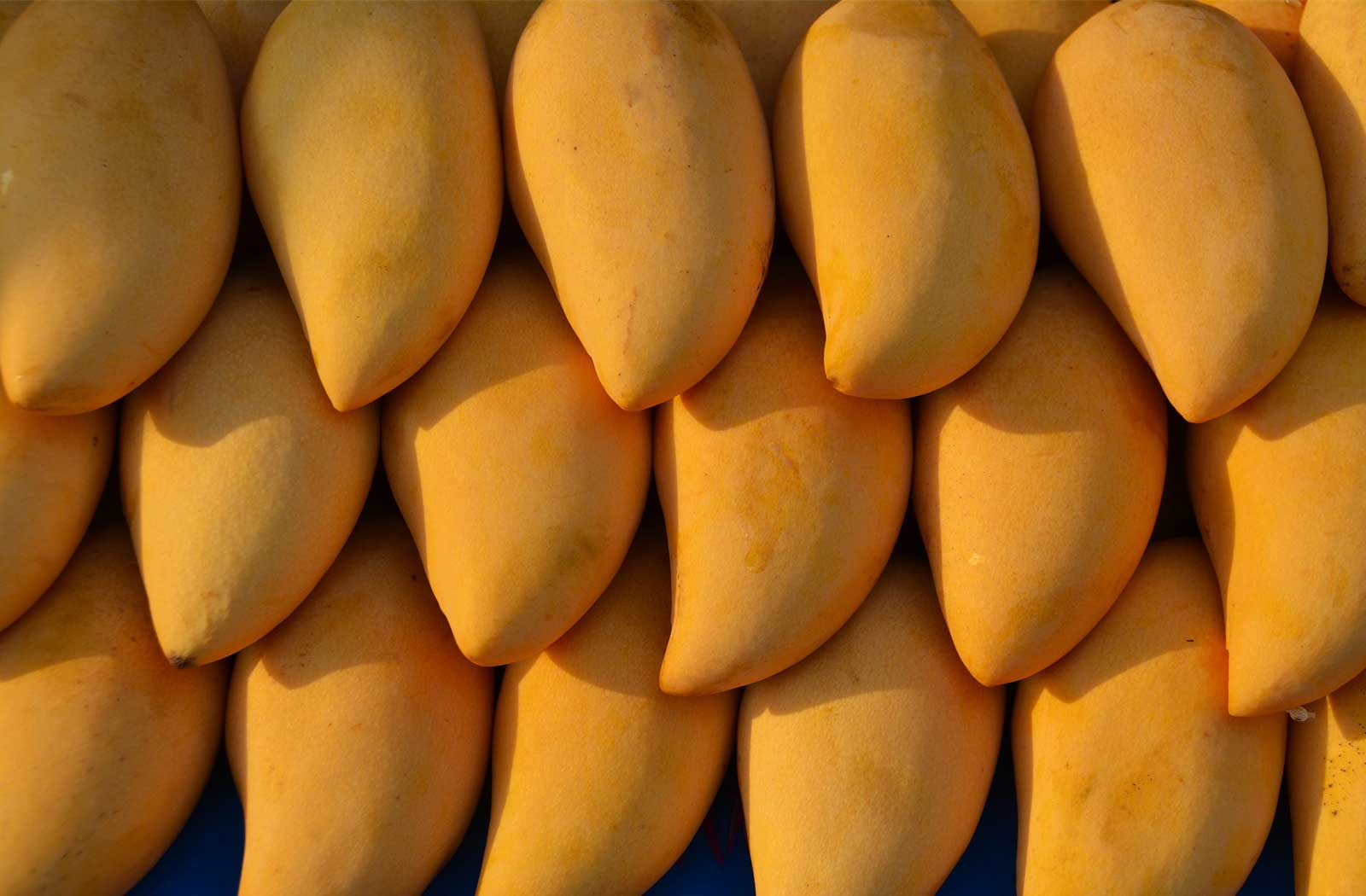
Mango Crop Full General Practices
Mango crop Mango is known as the king of fruits and cultivated in India from old times. Mango is a rich source of Vitamin A and C; its leaves are used as fodder in case of shortage of fodder while wood is used for furniture making. Unriped fruits are used for chutney, pickles and ripe…
-
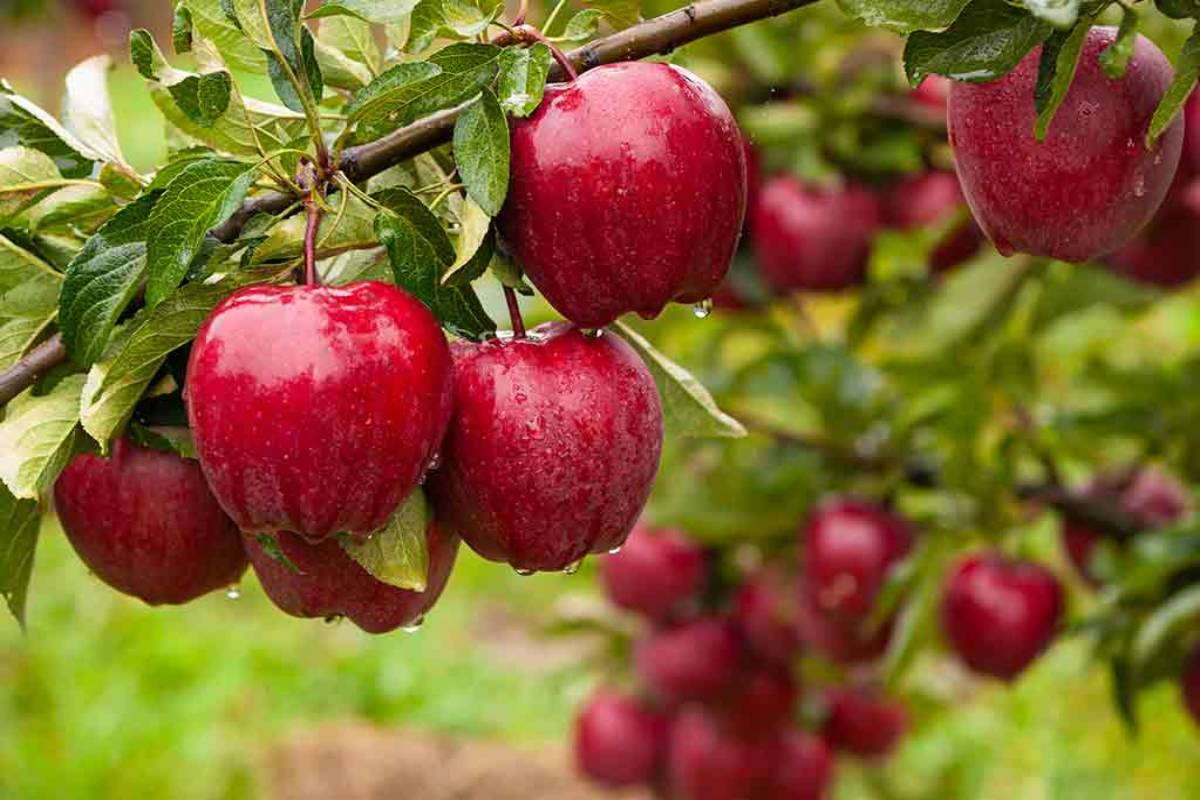
Apple Crop Full General Practices
Apple Crop Apple (Malus pumila) is an important temperate fruit. Apples are mostly consumed fresh but a small part of the production is processed into juices, jellies, canned slices and other items. In India, Apple is primarily cultivated in Jammu & Kashmir; Himachal Pradesh; hills of Uttar Pradesh and Uttaranchal. It is also cultivated to a small extent…
-
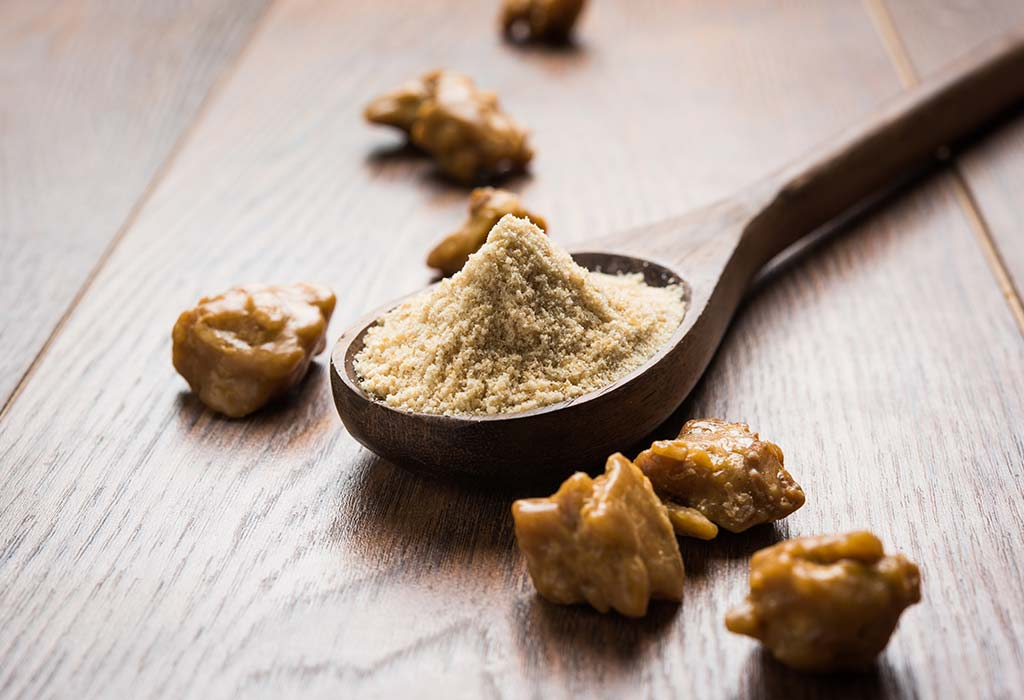
Hing Crop Full General Practices
HING (Asafoetida) Hing farming has been practiced for centuries. The hing is being cultivated and harvested from time immemorial. The first cultivation of the hing plant was started in the late 12th century. The hing is scientifically named “Asafoetida ”. This same crop is referred to as both “Food of gods” and “devils dung”. The…
-
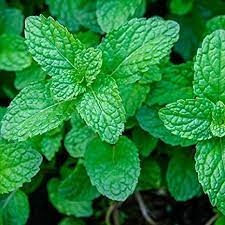
Mentha/Mint Crop Full General Practices
INTRODUCTION Mints belong to the genus Mentha, in the family Labiatae (Lamiaceae) which includes other commonly grown essential oil-yielding plants such as basil, sage, rosemary, marjoram, lavender, pennyroyal and thyme. Within the genus Mentha there are several commercially grown species, varying in their major chemical content, aroma and end use. Their oils and derived aroma compounds are traded world-wide.…
-
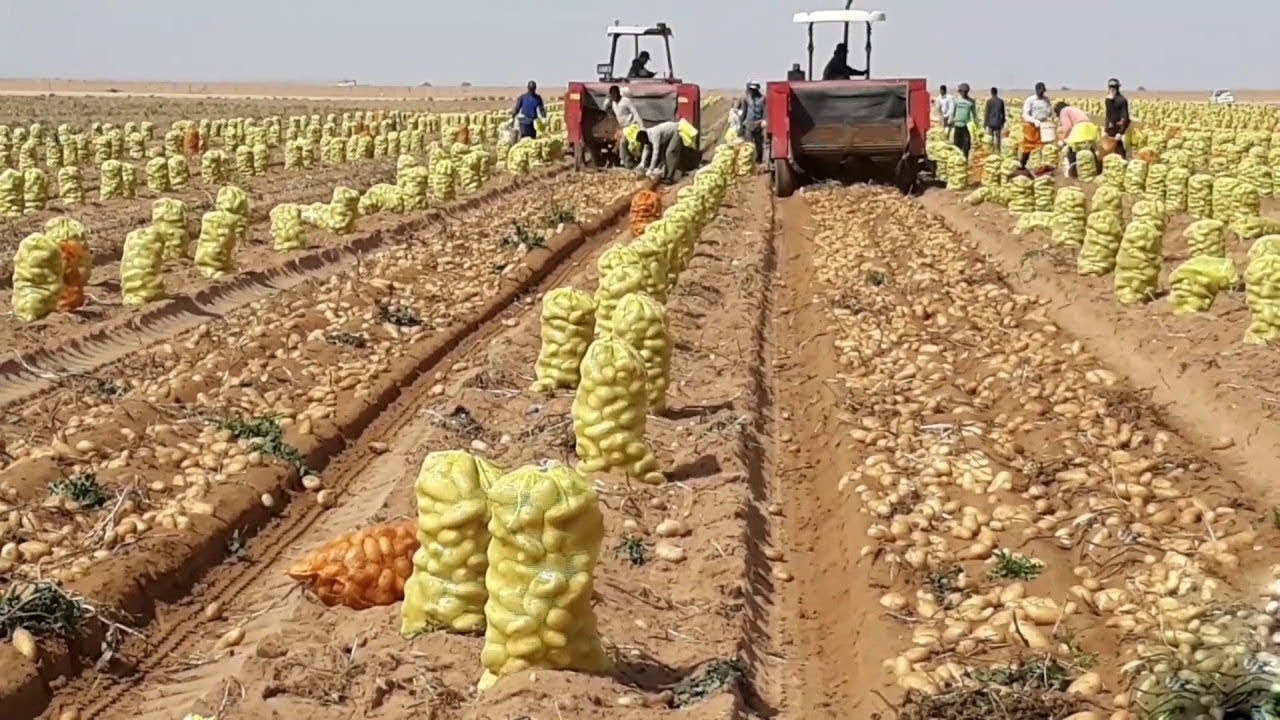
Potato Crop Harvesting Stage
Harvesting practices are to be followed very carefully. The time of harvest is very important in potato. The development of tuber continues till vines die. The main crop is ready for harvest within 75-120 days of planting depending upon the area, soil type and variety sown. Yellowing of the potato plant’s leaves and easy separation…
-
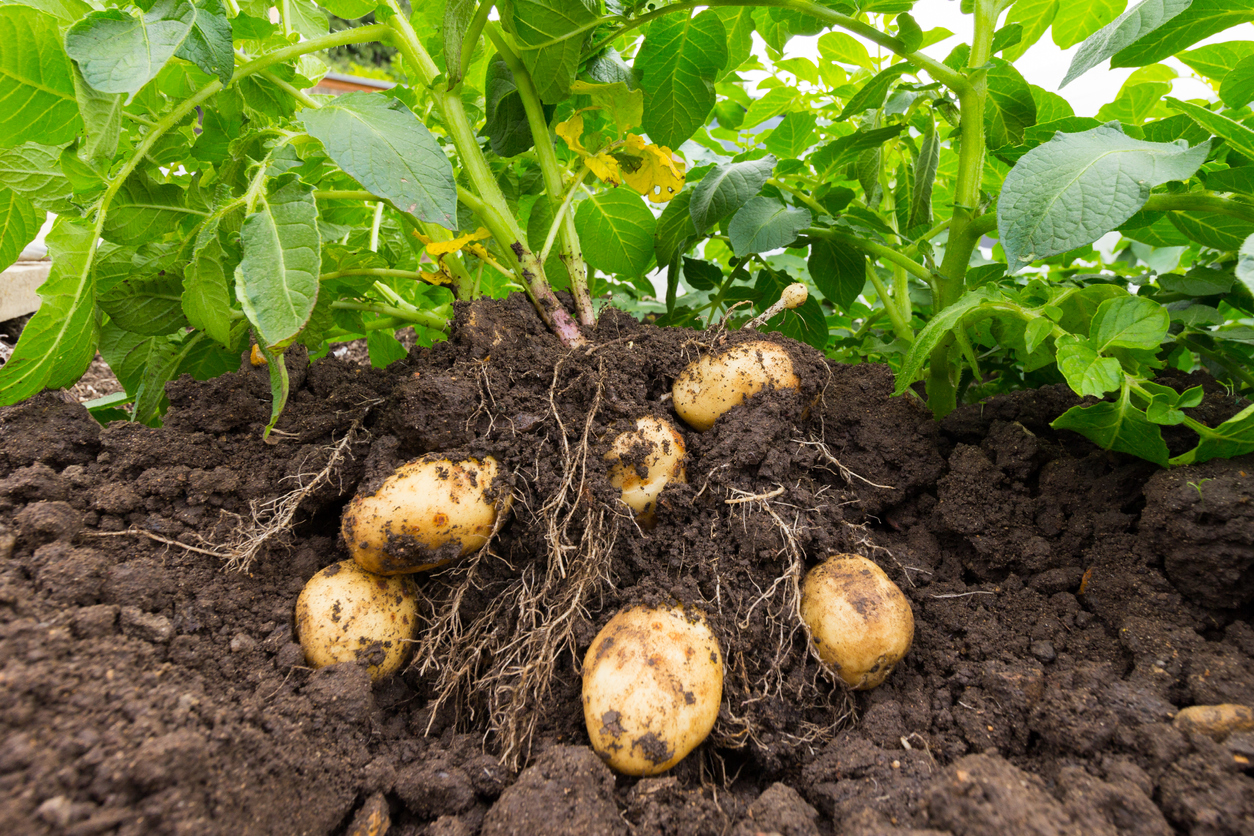
Potato Crop Fruiting Stage
The fruiting stage of potato growth also known as tuber bulking is when the tubers have the greatest expansion by accumulating carbohydrates, nutrients, and water. Due to the high rate of growth, tubers have the highest water requirement at this stage. Irrigation during this time also helps to keep soil temperatures low. Minor water deficits…
-
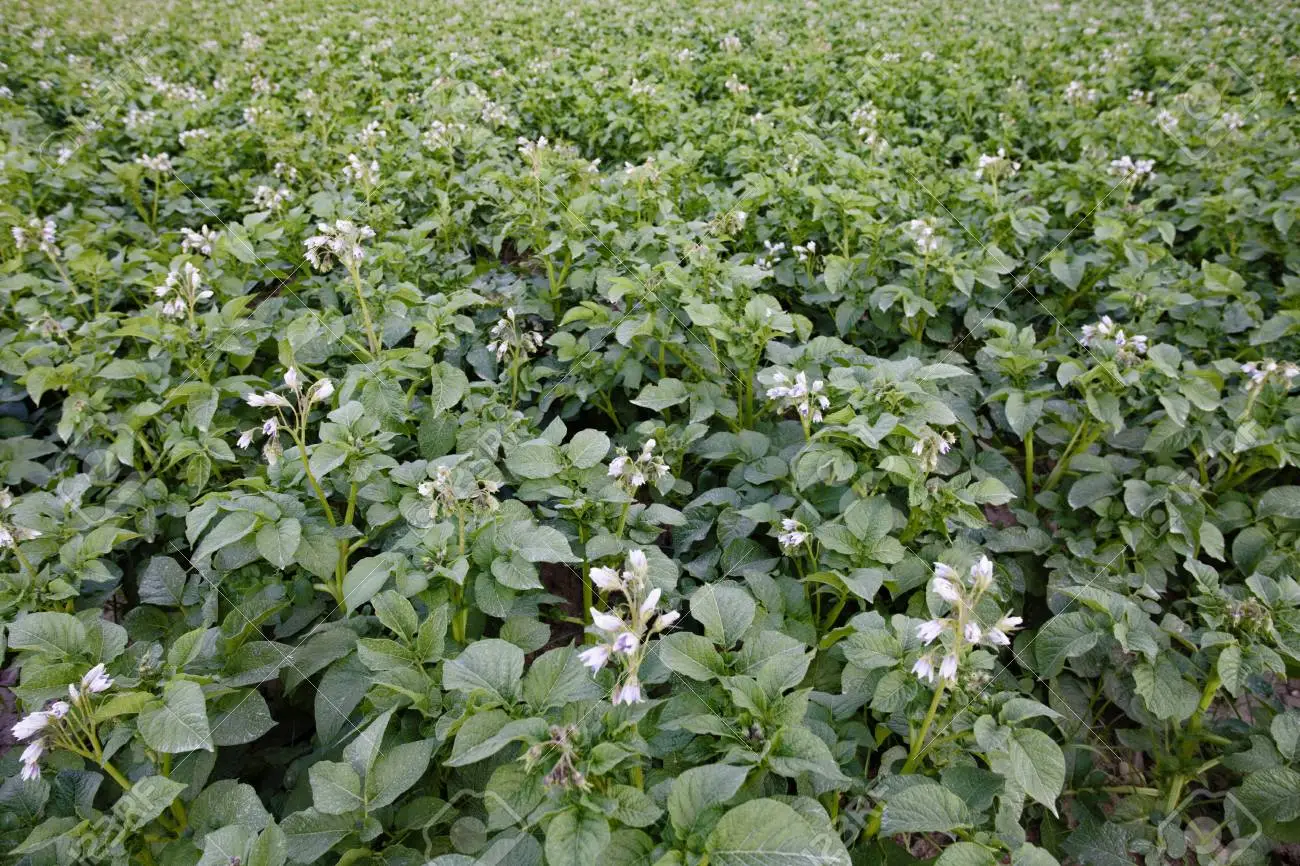
Potato Crop Flowering Stage
Monitoring of field- Monitor the growth of your crop often. Walk through your field in a random manner or zigzag and check for signs of diseases, pests and deficiencies. Deficiencies are characterized by the discoloration of leaves and poor vigor of the plants. Diseases are often visible as discoloration and spots or streaks on leaves.…
-
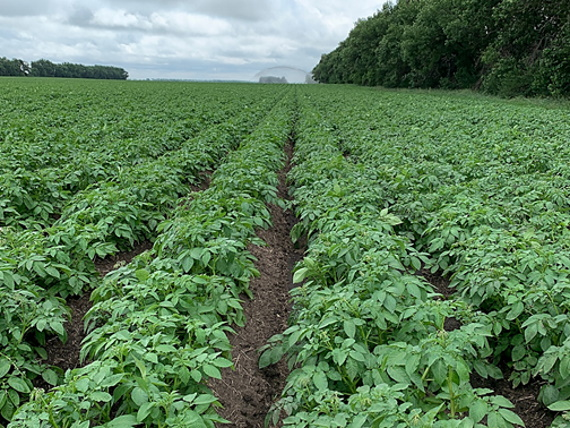
Potato Crop Vegetative Stage
Apply a second dose of urea (1 bag)/acre after that to give irrigation in the potato field. Monitor your field for checking some insect and disease infestation- Cut Worms (Agrotis spp, Euxoa spp) They cut the sprouts at ground level. They feed only at night. They also attack tubers and make holes, thereby reducing market…
-
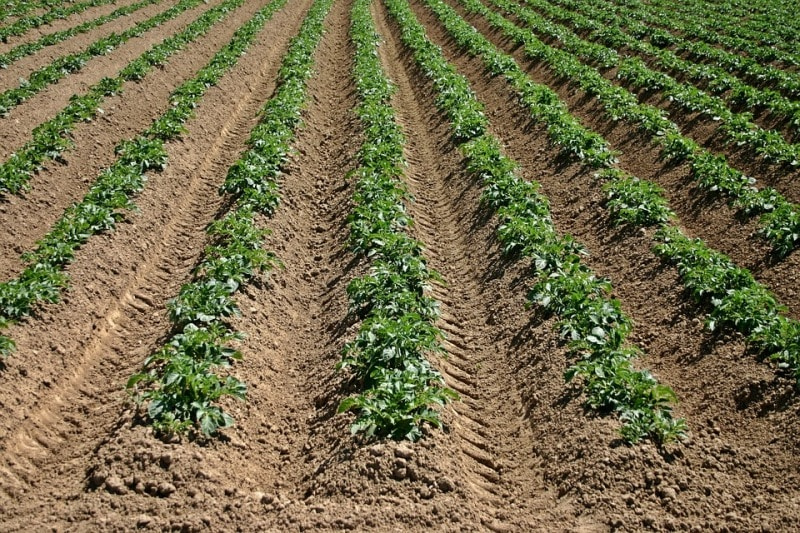
Potato Crop Seedling Stage
Bio fertilizers: Dormancy Breaking- Cut the tubers in pieces having at least three healthy eyes and dip in 1% solution of thiourea for one hour. The planting should be done just after treatment or kept in wet gunny bags for one night. Planting potato practices- Apply basal dose of 1 bag Urea, 5 bag DAP…