Category: Uncategorized
-
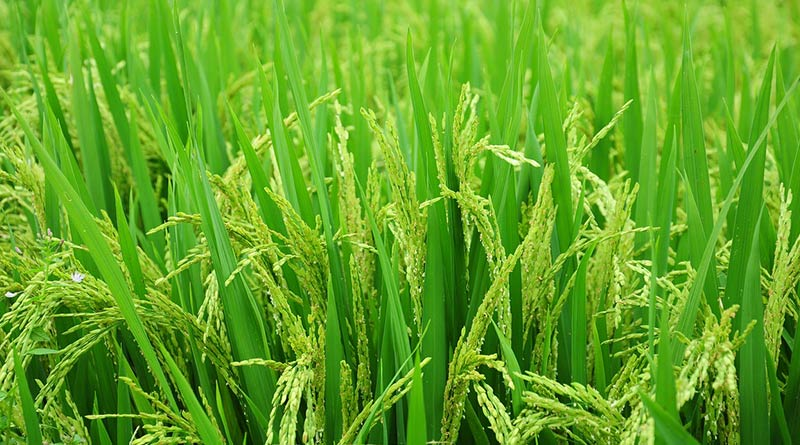
नौवें से दसवें सप्ताह धान की फसल में की जाने वाली कृषि पद्धति
फील्ड/स्व फील्ड निरीक्षण की निगरानी करें– अपनी फसल की वृद्धि की अक्सर निगरानी करें। अपने खेत में बेतरतीब ढंग से घूमें या टेढ़े-मेढ़े तरीके से घूमें और बीमारियों, कीटों और कमियों के संकेतों की जांच करें। कमियों को पत्तियों के मलिनकिरण और पौधों की खराब शक्ति के रूप में जाना जाता है। रोग अक्सर पत्तियों…
-
-
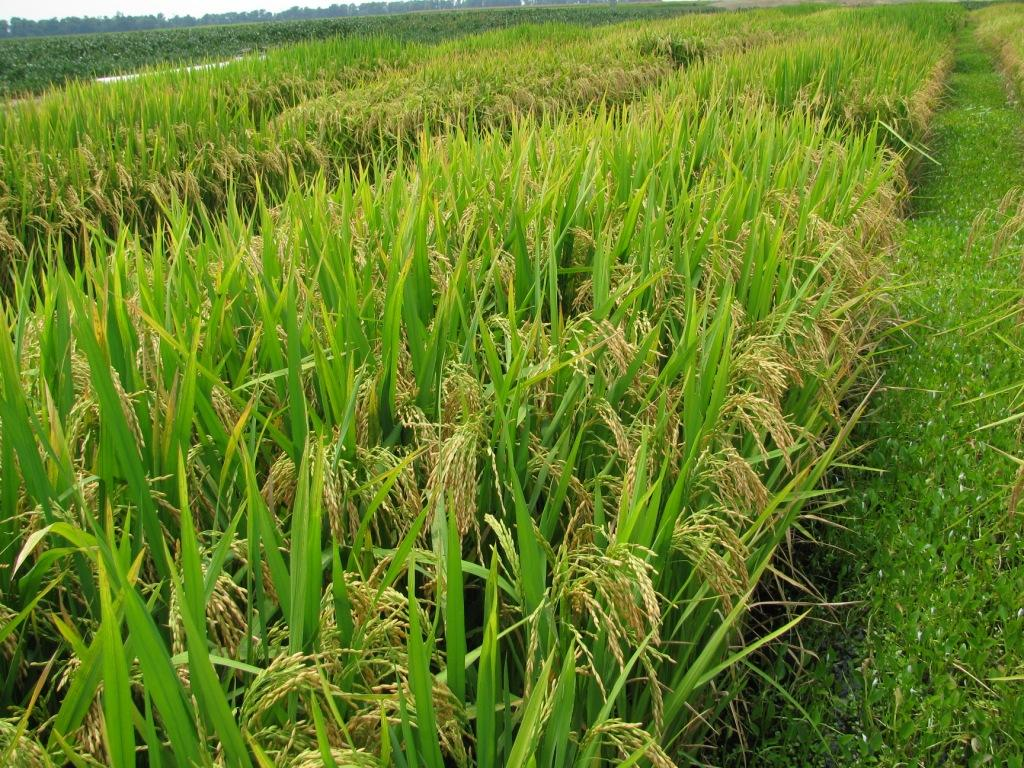
पांचवें से छठे सप्ताह धान की फसल में की जाने वाली कृषि पद्धति
खरपतवार नियंत्रण– घास वाले खरपतवारों के लिए, आप 15-20 दिनों के भीतर आवेदन कर सकते हैं: चौड़ी पत्ती वाले खरपतवारों के लिए आप 25-30 दिनों के भीतर आवेदन कर सकते हैं: ब्लास्ट– लीफ ब्लास्ट– नेक ब्लास्ट– नोडल ब्लास्ट– प्रबंध– सांस्कृतिक विधि– रासायनिक विधि– प्री–टिलरिंग से मिड–टिलरिंग– पुष्पन एवं पुष्पन के बाद–
-
तीसरे से चौथे सप्ताह धान की फसल में की जाने वाली कृषि पद्धति
मैनुअल और मैकेनिकल खरपतवार नियंत्रण– मुख्य खेत में फसल की रोपाई के पहले 20-50 दिनों के बाद खरपतवारों को हटाने की सलाह दी जाती है। फसल चक्र के दौरान दो बार और निराई-गुड़ाई करें। मैनुअल निराई एकीकृत खरपतवार प्रबंधन का एक हिस्सा है जिसमें सांस्कृतिक, मैनुअल और यांत्रिक नियंत्रण विधियों का उपयोग शामिल है। रोपण…
-
पहले से दूसरे सप्ताह धान की फसल में की जाने वाली कृषि पद्धति
एक किस्म चुनें जो आपकी आवश्यकताओं के अनुरूप हो– लोकप्रिय किस्में उनकी उपज के साथ पीआर 128: चावल का पीआर 128 पीएयू 201 का उन्नत संस्करण है। इसमें लंबे, पतले स्पष्ट पारभासी दाने होते हैं। इसके पौधे की औसत ऊंचाई 110 से.मी. होती है और रोपाई के लगभग 111 दिनों में पक जाती है। यह…
-
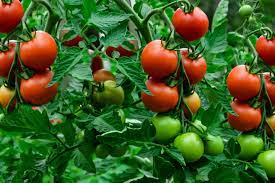
Seventeenth to Eighteenth week practices in tomato crop
POST-HARVEST After harvesting, grading is done. Then fruits are packed in bamboo baskets or crates or wooden boxes. To increase self-life of tomato during long distance transport pre-cooling is carried out. From ripe tomatoes several products like Puree, syrup, juice and ketch up are made after processing.
-
Thirteenth to Fourteenth week practices in tomato crop
Monitoring of field- Monitor the growth of your crop often. Walk through your field in a random manner or zigzag and check for signs of diseases, pests and deficiencies. Deficiencies are characterized by the discoloration of leaves and poor vigor of the plants. Diseases are often visible as discoloration and spots or streaks on leaves.…
-
Eleventh to Twelfth week practices in tomato crop
Apply the second split application of nitrogen- Tomato plants are now in the fruit-bearing stage. This means that the plants require significant amounts of nitrogen and micronutrients to develop fruits properly. If using flood irrigation, the best way to fertilize your plants is by side-dressing: Monitor your field for some insect/pest incidence- Tomato spotted wilt…
-
Ninth to Tenth week practices in tomato crop
Remove unwanted plant growth for good fruits- Training of tomato plants consists of the removal of unwanted plant growth in order to decrease the canopy’s density, increasing the amount of light exposure to the plant, and thus improving the likelihood of fruit-bearing. Leaves at the foot of plants up to 30-60 cm should also be…
-
Seventh to Eighth week practices in tomato crop
Use plant support for health and fruit- bearing capacity- Stakes lift the plants off the ground and allow for air circulation in the canopy. Before doing anything, make sure that your plants are of the non-spreading type, that they are growing upright. The stalking can be done any time after transplanting and, at least one…