Category: Uncategorized
-

पहले सप्ताह में केले में की जाने वाली की अच्छी कृषि पद्धतियां
मिट्टी का विश्लेषण दोमट मिटटी- दोमट मिट्टी रेत, गाद और मिट्टी का मिश्रण है जो प्रत्येक प्रकार के नकारात्मक प्रभावों से बचने के लिए संयुक्त होती है। ये मिट्टी उपजाऊ हैं, काम करने में आसान हैं और अच्छी जल निकासी प्रदान करती हैं। उनकी प्रमुख संरचना के आधार पर वे या तो रेतीले या मिट्टी…
-
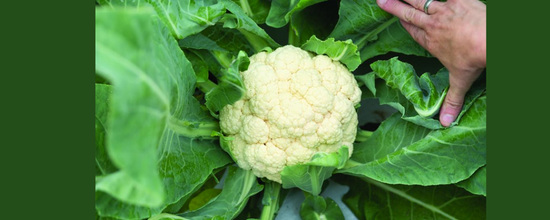
Cauliflower First week to second week practices
Climatic requirement: Temperature: 12-30oC Rainfall: 120-125mm Sowing temperature: 25-30oC Harvesting temperature: 12-18oC Suitable soil pH requirement: 6-7. Soil: Cauliflower can be grown in all types of soil with good fertility and good regime. In light soil, the plants are most sensitive to drought and therefore, adequate moisture supply is important. For early crops, the light…
-
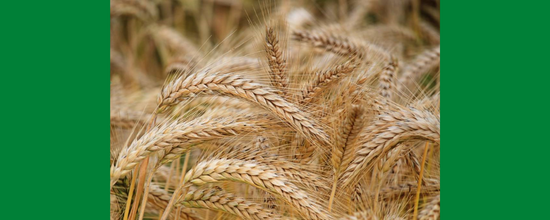
Wheat Sixteenth week practices
Harvesting & Threshing Harvesting of high yielding dwarf varieties is carried out when leaves and stems turn yellow and become fairly dry. To avoid loss in yield crop should be harvested before it is dead ripe. Timely harvesting is needed for optimum quality and consumer acceptance. The right stage for harvesting is when moisture in…
-
Wheat Fourteenth to fifteenth week practices
Karnal Bunt of Wheat Symptoms: The infection is usually confined to a few grains in the spike with irregular arrangement. In severe cases, the grain is reduced to black shiny sac of teliospores. The bunt affected plants emits a foul smell which is mainly due to the presence of Trimethyl amine. Management of Karnal Bunt…
-
Wheat Twelfth to thirteenth week practices
Irrigation should be given at this stage because of flowering stage starts. Loose Smut of Wheat Symptoms: It is very difficult to detect infected plants in the field until heading. At this time, infected heads emerge earlier than normal heads. The entire inflorescence is commonly affected and appears as a mass of olive-black spores, initially…
-
Wheat Tenth to eleventh week practices
Powdery Mildew of Wheat Symptoms: Greyish white powdery growth appears on the leaf, sheath, stem and floral parts. Powdery growth later become black lesion and cause drying of leaves and other parts. Management of Powdery Mildew Chemical Control: Foliar spray with Karathane 80 WP OR Triadimefon 25 WP @ 1 g/lit of water OR Bayleton…
-
Wheat Eighth to ninth week practices
Apply 20-25kg/ha nitrogen for better growth and development of wheat crop. Irrigation should be given after the application of fertilizer because of this will help faster uptake of fertilizer. Stripe Rust (Yellow) Symptoms: Mainly occur on leaves then the leaf sheaths and stem. Bright yellow pustules (Uredia) appear on leaves at early stage of crop…
-
Wheat Sixth to seventh week practices
Irrigation should be given at this stage because of tillering stage starts. Aphid (Opalsiphum maidis) Identification: Aphids are small, soft-bodied, pearl-shaped insects that have a pair of cornicles (wax-secreting tubes) projecting out from the fifth or sixth abdominal segment. Aphids are yellowish green, grey green or olive green with a white waxy bloom covering the…
-
Wheat Fourth to fifth week practices
As post emergence weedicide, use 2, 4-D @ 1 ml per ltr of water for controlling broad leaf weeds in standing crop. Timing of application of 2, 4-D is critical to avoid injury to wheat. The critical period for 2,4-D applications is after wheat is Fully tillered but before Jointing Stage. Application before full tillering…
-
Wheat Third week practices
First irrigation should be given at this stage because of CRI stage starts and CRI stage is most important stage for irrigation. It has been found that each week delay in 1st irrigation from CRI stage result in yield reduction of 83-125 kg per acre. Remaining quantity of Nitrogen should be applied at the time of…