Category: Uncategorized
-

Fifth to Sixth week practices in tomato crop
Apply first split application of mineral fertilizers- Irrigation schedule for vigorous growth of the crop- Recommendations for healthy and productive plants:
-
Third to Fourth week practices in carrot crop
Irrigate regularly for a good establishment of seedlings- Wet soil will help boost the formation of roots and favor a good establishment of the seedlings. Here are some recommendations- Right time of transplanting seedlings- Weeding your crop for good growth- Do frequent weeding, hoeing and earthing up and keep field weed free till 45 days.…
-
First to Second week practices in carrot crop
Ideal soil and weather conditions for tomato crop- SOIL- It can be grown in varied type of soil ranging from sandy loam to clay, black soil and red soil having proper drainage. It gives best result when grown under well drained sandy soil with high organic content. For good growth pH of soil should be…
-

Fourteenth to Fifteenth week practices in carrot crop
Watery soft Rot (Sclerotinia sclerotiorum): Carrots are susceptible to this disease, especially late in the season and during storage. The disease is present in soil or storage areas and often shows up after the crop has been harvested. Symptoms can be identified in the field as characteristic white mold with black sclerotia present on the…
-
Eleventh to Thirteenth week practices in carrot crop
Alternaria Blight (Alternaria dauci): Alternaria leaf spots first appear at the margin of the leaflets and are dark brown to black and irregular in shape. Lesions produced on the petioles and stems are dark brown and often coalesce and girdle the stems. As the disease progresses entire leaflets may shrivel and die, appearing scorched. Alternaria…
-
Eighth to Tenth week practices in carrot crop
Carrot Weevils: Symptoms: Management:Spray with Alanto-2ml/lt or Solomon-1ml/lt +Econeem plus-1ml/lt of water.
-
Fifth to Seventh week practices in carrot crop
Control your crop weeds by following recommendations- Post-emergence. Following crop emergence, fluazifop-P-butyl (Fusilade) can be applied for grass control, and linuron (Lorox) for annual broadleaf weeds and yellow nutsedge. Fluazifop-P-butyl is effective in controlling small seedling annual grasses and some perennial grasses. Effectiveness is reduced when grasses are under moisture stress. Later growth stages of annual…
-
Third to Fourth week practices in carrot crop
Monitor your field for some disease and insect/pest incidences- Aphids: Symptoms: Management:Spray with Actara-0.5gm/lt or Dhanpreet -0.5gm/lt + Econeem plus-1ml/lt of water. Aster leafhopper: Nature and symptoms of damage: Both nymphs and adults feed by inserting piercing and sucking the plant to extract sap. If a leafhoppers feed on an infested plant, it ingests the aster yellow pathogen. When…
-
First to Second week practices in carrot crop
Management before planting- Avoid planting carrots in fields last planted to cereals or in fields with known infestations of perennial weeds; available herbicides do not effectively control perennial weeds. To prevent the buildup of weed seed in the soil, cultivate weeds before they set seed in rotation crops. After harvest of the rotation crop, clean-cultivate…
-
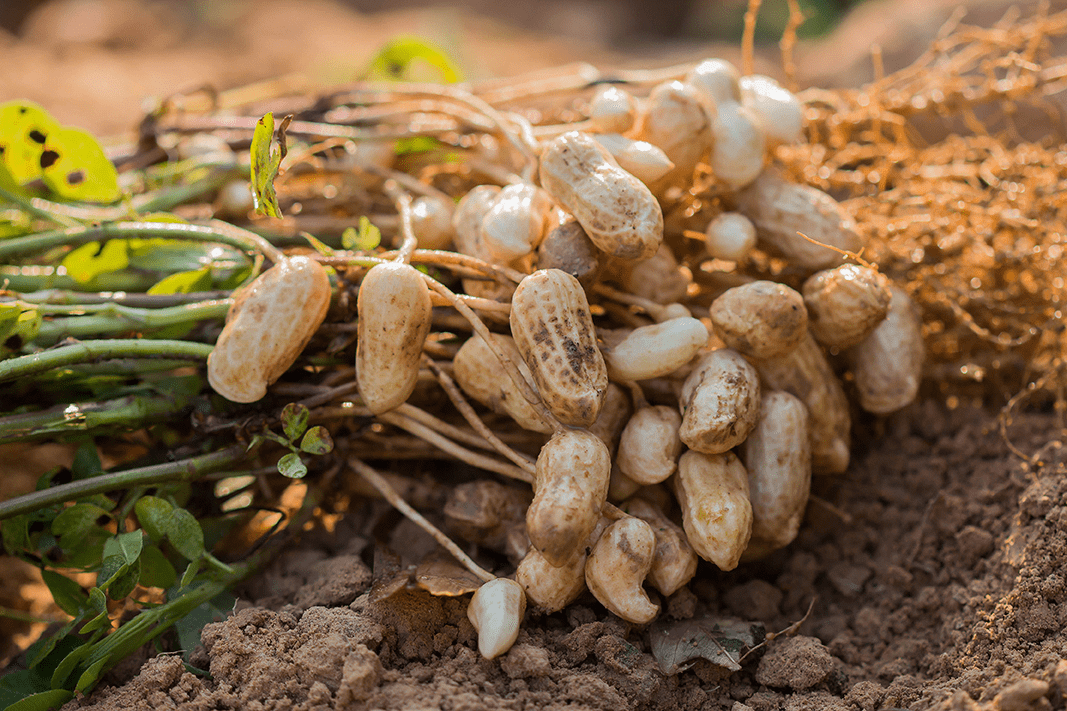
Fourteenth to Sixteenth week practices in rice crop
Harvesting For efficient harvesting of crop, adequate moisture should be present in soil and crop should not be overripe. The tractor- mounted groundnut-digger shaker developed at the Punjab Agricultural University may be used for quick harvesting. Harvested plants are stacked for a few days for drying and stripped afterwards. After curing, collect the crop at…