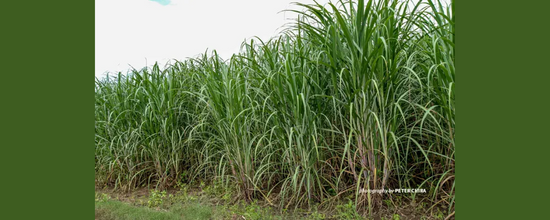
Wooly Aphid:


Symptoms:
- Nymphs produced by late females are relatively active, have long, elliptical bodies and are pale greenish white in color. The apterous adult female is 1.78 mm long and 1.07mm wide with a very soft, broad, laterally depressed body which is densely covered by white, cotton-like secretions.
- The attack generally begins in the middle leaves and extends to upper leaves. As the aphids grow and reach later instars, their body is covered with white waxy filaments giving the appearance of a white waxy coating to the infested leaves. Leaves turn yellow because of sucking sap by these aphids. Sooty mold growth on lower leaves of wooly aphids infested plants.
Management:
Cultural control:
Grow resistant varieties like- COVC 2003 & 165. Paired row system of planting. Avoid excessive use of nitrogenous fertilizers.
Mechanical Control:
De-trashing of canes if infestation exceeds low intensity. Installation of yellow sticky traps @6-8/acre for wooly aphids.
Biological Control:
Release of predator Dipha aphidivora @400 cocoons/acre. Foliar spray of entomo pathogens such as Metarhizium anisopliae, Verticillium lecanii and Beauveria bassian @1kg / acre dissolve in 250-300 lit. of water.
Chemical Control:
Soil application of Carbofuran 3G @ 12 kg /acre in infested crops not more than six months old. First colonies should be destroyed by spraying insecticides such as Acephate 75% SP @ 300-400g/acre dissolved in 250-300 lit. of water. Or Dimethoate 30% EC @2ml per liter of water as spot application.
Leave a Reply