Tag: news
-
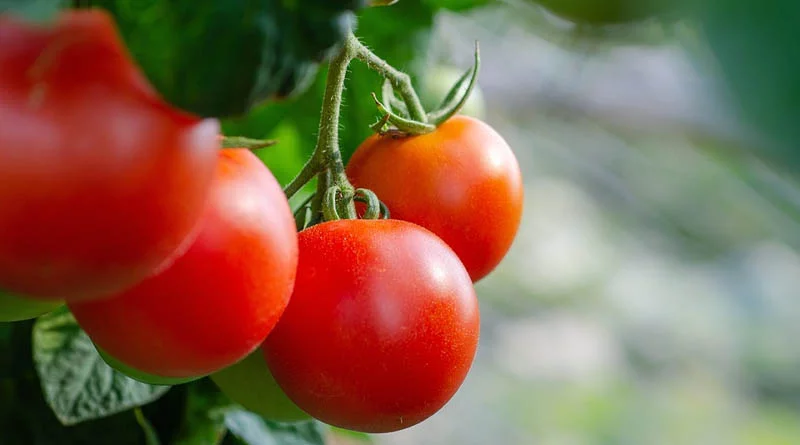
Tomato variety US 2853 of Nunhems company
Nunhems provide farmers with seeds and new varieties of crops. Sowing time, yield, and other details of Tomato variety US 2853 of Nunhems company are given in the below description. Tomato variety US 2853 of Nunhems company Tomato maturity – 75-80 days Sowing time – Summer in Hills & Winter in Plains Tomato yield –…
-
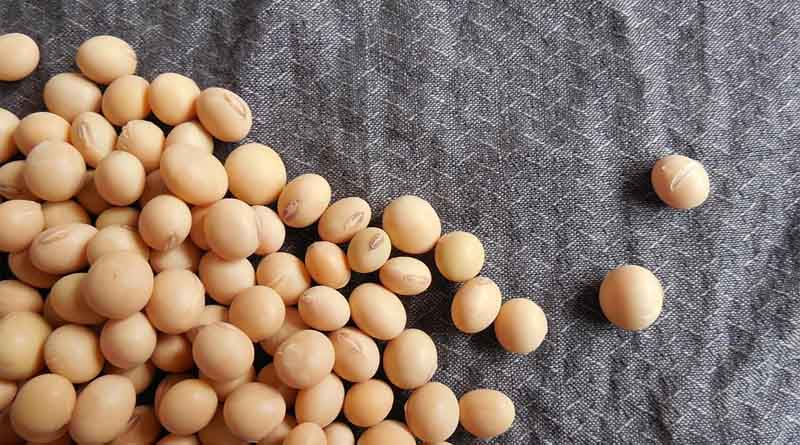
Which are the top 10 soybean varieties grown in India?
Soybean is an important crop in India and is one of the most important sources of vegetable protein. It is also a major source of edible oil. It is also a major source of income for small and marginal farmers in India. Soybean is an important crop for India as it is one of the…
-
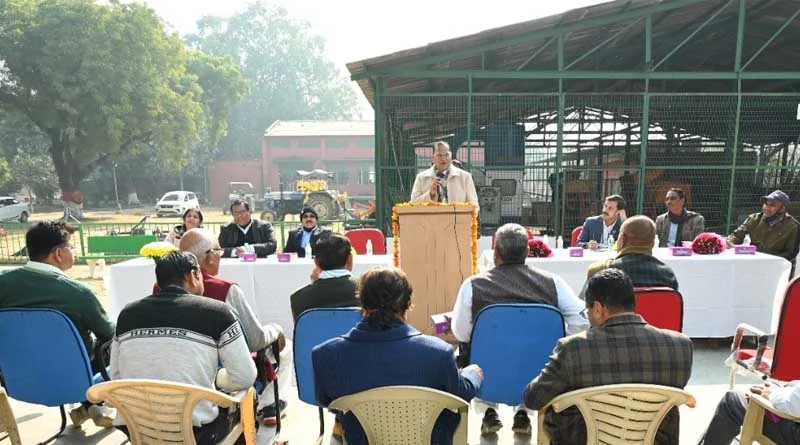
Farmers now can buy seeds directly from Pusa Seed Sales Counter inaugurated in New Delhi
The newly built “Pusa Seed Sales Counter” at the Seed Production Unit of Indian Agricultural Research Institute, Pusa, New Delhi was inaugurated yesterday by Dr. Ashok K. Singh, Director & Vice Chancellor of IARI. A farmer-centric discussion between farmers and scientists/officials of IARI was conducted addressing the issues and prospects in an efficient seed production…
-
Innovative digital seed portal of ICAR-IIWBR
During the 2020 global pandemic situation, an online Seed Portal (iiwbrseed.in) was developed by ICAR-IIWBR, Karnal to provide seeds of wheat & barley varieties to farmers. The seed portal was designed and executed through the IIWBR website in September 2020. The interested farmers had to submit basic information for registration. The farmers are grouped state-wise…
-
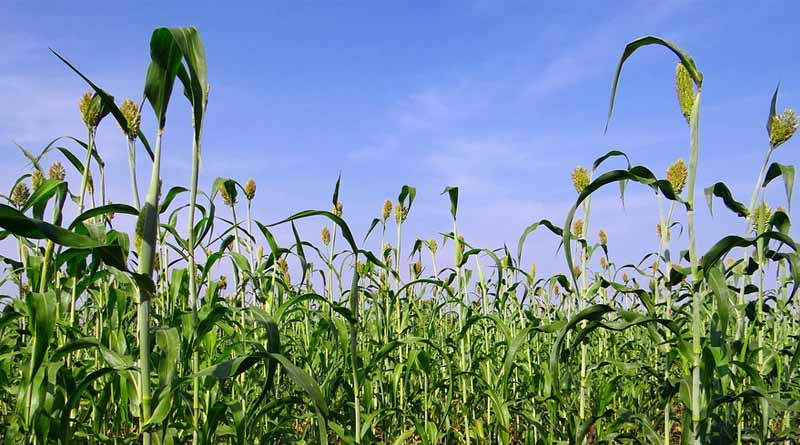
Climate and Soil requirement for Cultivating Sorghum in Kharif
Sorghum requires warm conditions but it can be grown under a wide range of climates. It is also widely grown in temperate regions and at altitudes of up to 2300 m in the tropics. It can tolerate high temperatures throughout its life cycle better than any other crop. Sorghum requires about 26-30 oC temperature for good growth. Soil type for Cultivating Sorghum in Kharif Grain sorghum can be grown on many different soils. Sorghum will yield…
-
Seed treatment for the cultivation of Sorghum in Kharif
Treat the seed with 5 gm Imidacloprid 70 WS + 2 g Carbendazim (Bavistin) per kg of sorghum seed, or Thiomethoxam 3 gm/kg of seed. Seed treatment is essential to avoid major insect pest infestation and soil-borne diseases. Source: Krishakjagat.org
-
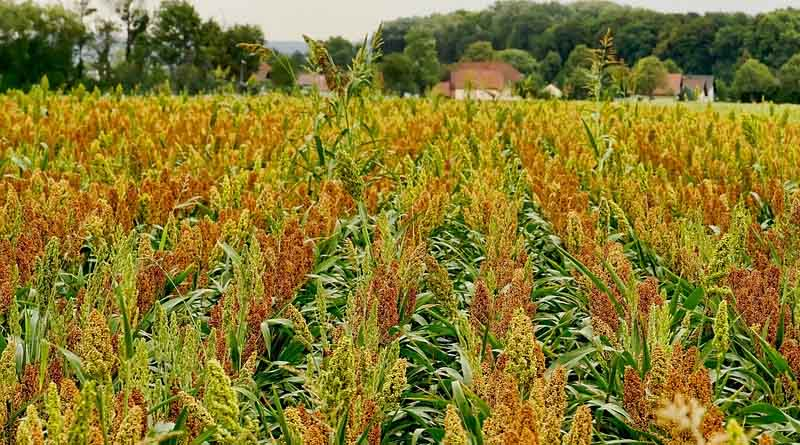
Fertilizers application for the cultivation of Sorghum in Kharif
Fertilizers must be used based on soil type as mentioned below. For light soils and low rainfall areas: Apply 30 kg N, 30 kg P2O5, and 20 kg K2O per ha at the time of sowing. Apply another 30 kg N at 30-35 days after sowing (DAS). For medium-deep soils and moderate to high rainfall areas: Apply 40 kg N, 40 kg P2O5, and…
-
Latest high-yielding varieties of Kharif Sorghum for Madhya Pradesh, Rajasthan, Maharashtra, Uttar Pradesh and other states
Below mentioned are high-yielding varieties/hybrids of Kharif Sorghum for cultivating in Maharashtra, Karnataka, Andhra Pradesh, Telangana, Madhya Pradesh, Rajasthan, Gujarat, Tamil Nadu, and Uttar Pradesh. State Hybrid Recommended Varieties Maharashtra SPH 1635, SPH 1641, CSH 41, CSH35, CSH 30, CSH 25, CSH 16 PDKV Kalyani (AKSV -181), CSV39, CSV36, CSV 34,Palamuru jonna (CSV31), CSV 27, CSV20 Karnataka CSH 41, CSH…
-
Sowing time and seed rate for the cultivation of Sorghum in Kharif
Plowing is required once in summer followed by 2-3 harrowings. Thereafter, around 8-10 tonnes of farm yard manure (FYM) per ha need to be incorporated. Soil application of Phorate or Thimate @ 8-10 kg/ha is recommended at the time of sowing. Sowing time for the cultivation of Sorghum in Kharif The suitable time for sowing is the 3rd week of June to the 1st week of July with the onset of monsoon. Seed rate for the cultivation of Sorghum in Kharif The optimum seed rate is 7-8 kg/ha or 3 kg/acre. Spacing Recommended row-to-row distance is 45 cm and the plant-to-plant distance is 12 to 15 cm within the row. Maintain plant population at 72,000 plants per acre (18 plants/ square meter). Source: Krishakjagat.org
-
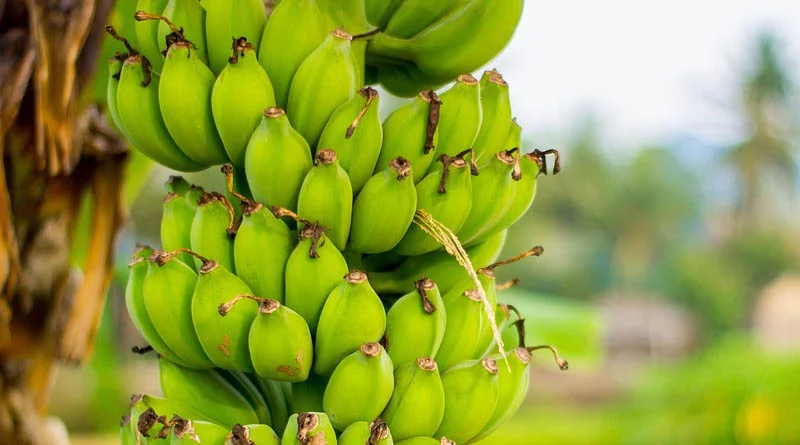
Indian farmers may get 13 GM crops in future
Indian Council of Agricultural Research (ICAR) and universities under it are working on developing GM crops since 2006 under the “Network Project on Functional Genomics and Genome Modification”. ICAR is trying to develop different traits such as biotic and abiotic stress tolerance, yield, and quality improvement. The 13 crops which have been on priority are…